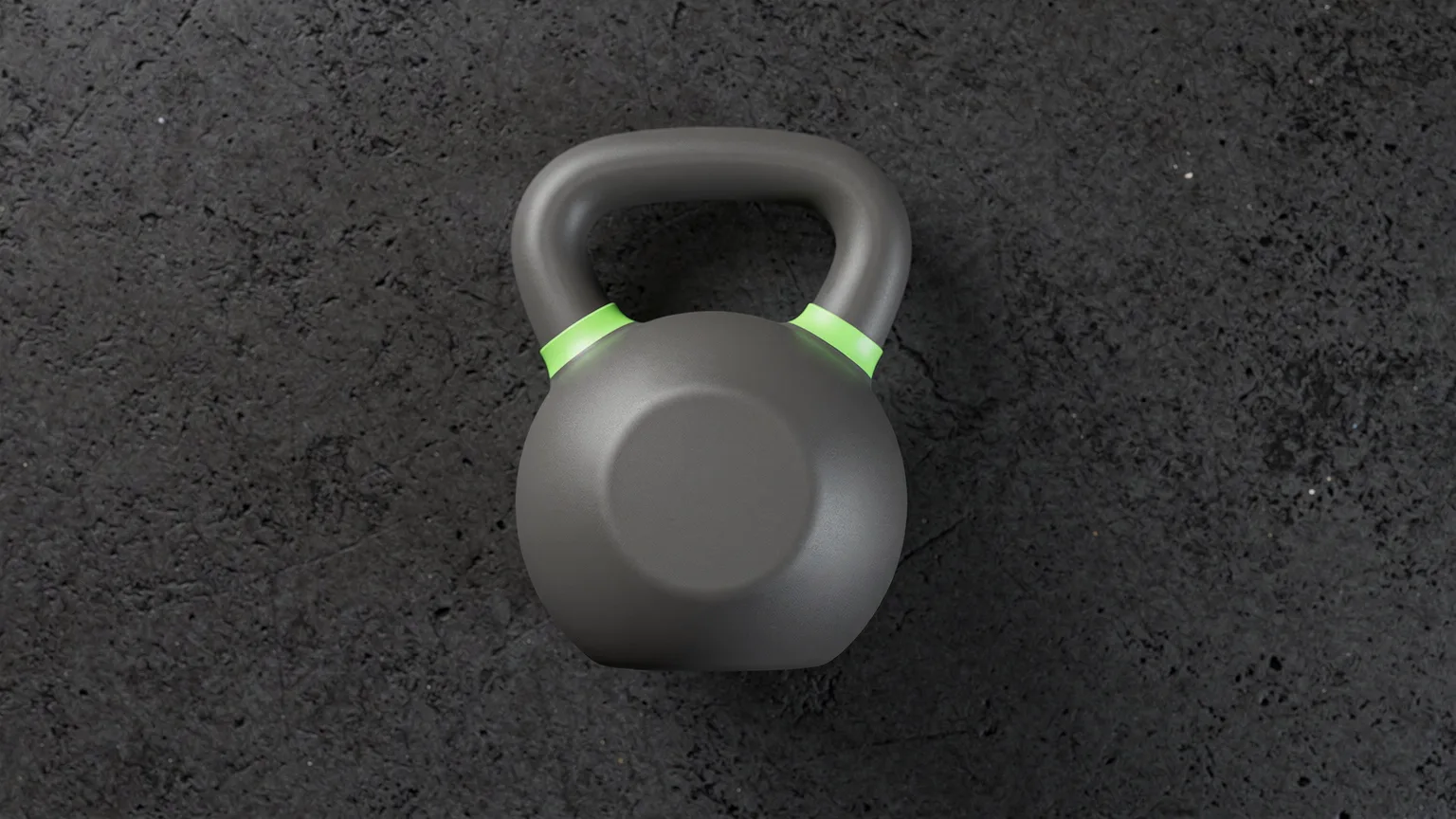
No maker or health body publishes a "right" kettlebell size by height, sex or body weight. Pick a weight you can control for a whole set, then check the range and step sizes the maker lists. If you can only buy once, a range in one unit usually beats a single fixed bell.
This guide uses the makers' own pages and manuals and NHS guidance. It involves no testing, because the site does not test products.
What size kettlebell should you buy?
Buy a weight you can lift with good control for every repetition of your planned exercises, not the heaviest bell you can get off the floor. The NHS does not name a kettlebell weight. It asks adults to do strengthening activities on at least 2 days a week, and describes working to the point where you need a short rest before repeating the activity.
The NHS strength-exercise page also advises building up slowly and gradually increasing the repetitions of each exercise over time. Neither Bowflex nor PowerBlock gives a starting weight for a given fitness level on its product page. That means any specific "start at X kg" rule is not something the sources here support, so treat it as a question for a qualified trainer.
Why does one kettlebell size not suit every exercise?
Different movements use the bell differently, so the weight you can control varies by exercise. PowerBlock's page lists swings, presses and squats as the moves its adjustable kettlebell suits, and those three rarely allow the same load.
A sensible reading of that list is that you may want more than one weight: lighter for presses, heavier for swings and squats. That is a reasoned conclusion, not a claim from the makers. It does explain why a range is worth weighing against a single bell, and why a "one size" answer usually disappoints.
How do the published weight ranges compare?
Adjustable models list their settings, so you can see the gaps between them before you buy. The figures below come from each maker's own page.
| Kettlebell | Weight settings | Steps between settings | Stated size |
|---|---|---|---|
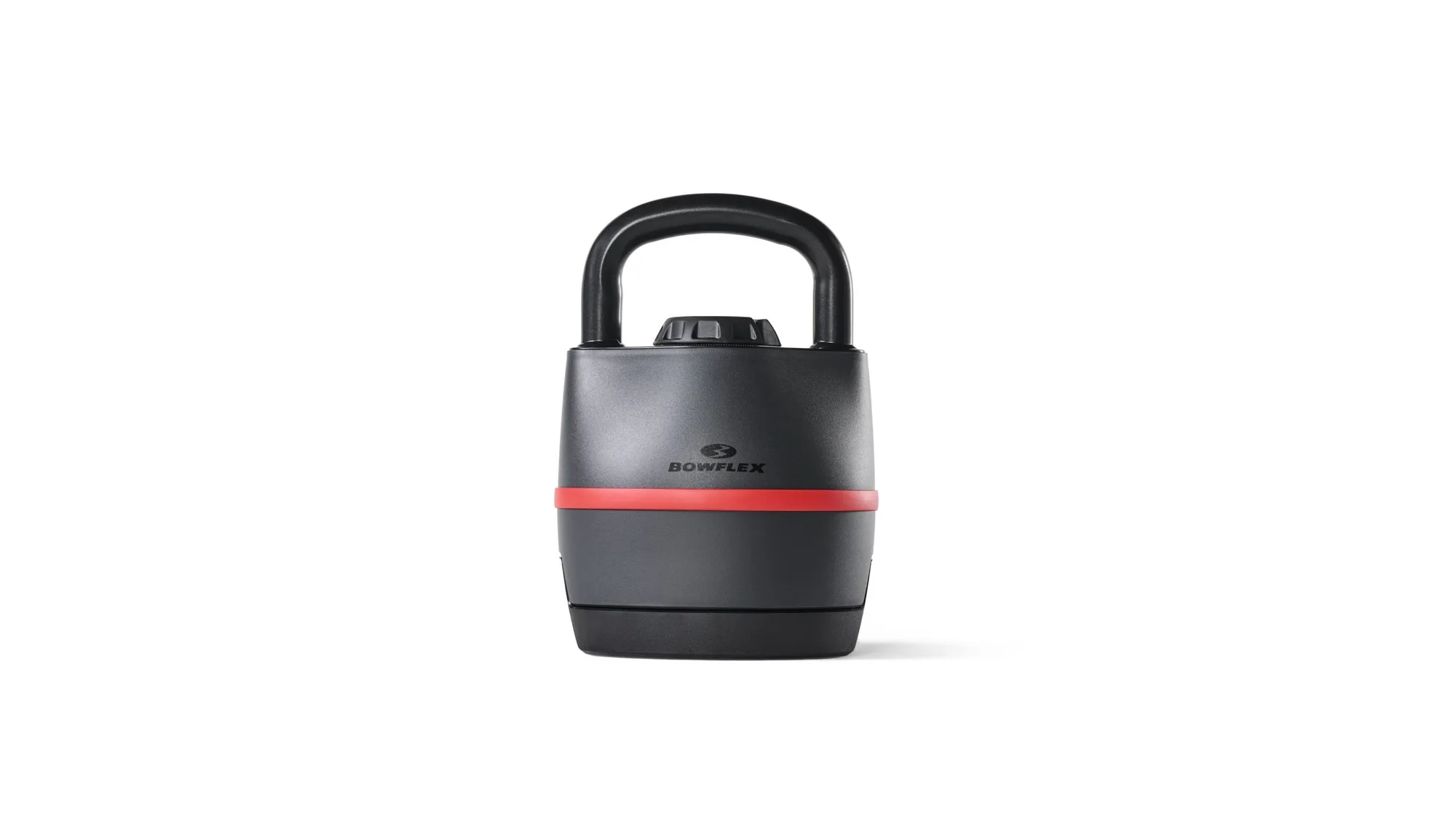
| Bowflex SelectTech 840 | 3.5, 5.5, 9, 11, 16, 18 kg | 2, 3.5, 2, 5 and 2 kg steps | 22.4 x 17.8 x 31.8 cm |
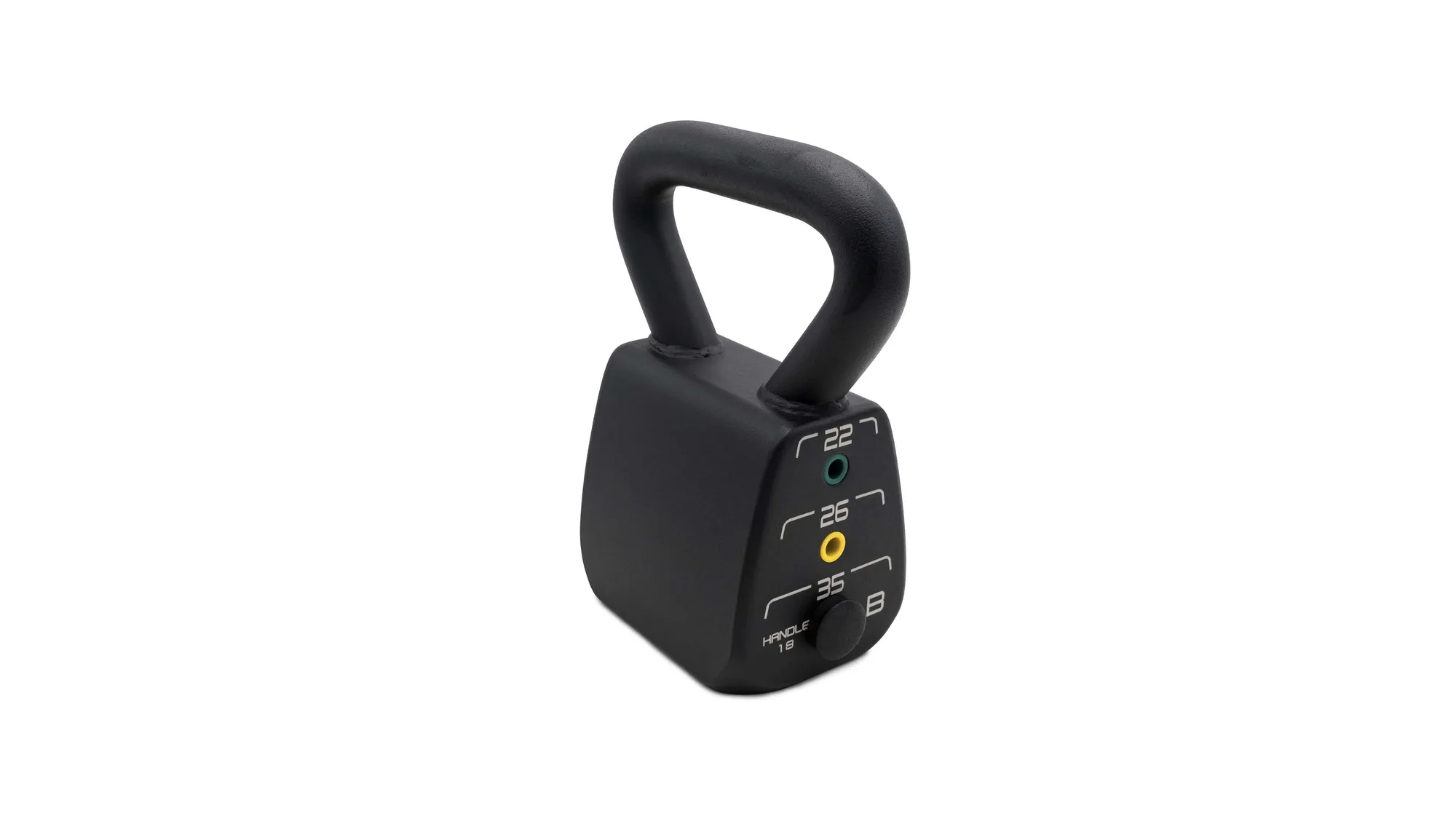
| PowerBlock Pro 18-35 lb | 8, 10, 12, 16 kg (18, 22, 26, 35 lb) | 2, 2 and 4 kg steps | 5.75 x 4.25 x 10 in (about 14.6 x 10.8 x 25.4 cm) |
| PowerBlock Pro 35-62 lb | 35, 44, 53, 62 lb (no kg values on the page) | 9, 9 and 9 lb steps | 8 x 5.5 x 11.25 in (about 20.3 x 14.0 x 28.6 cm) |
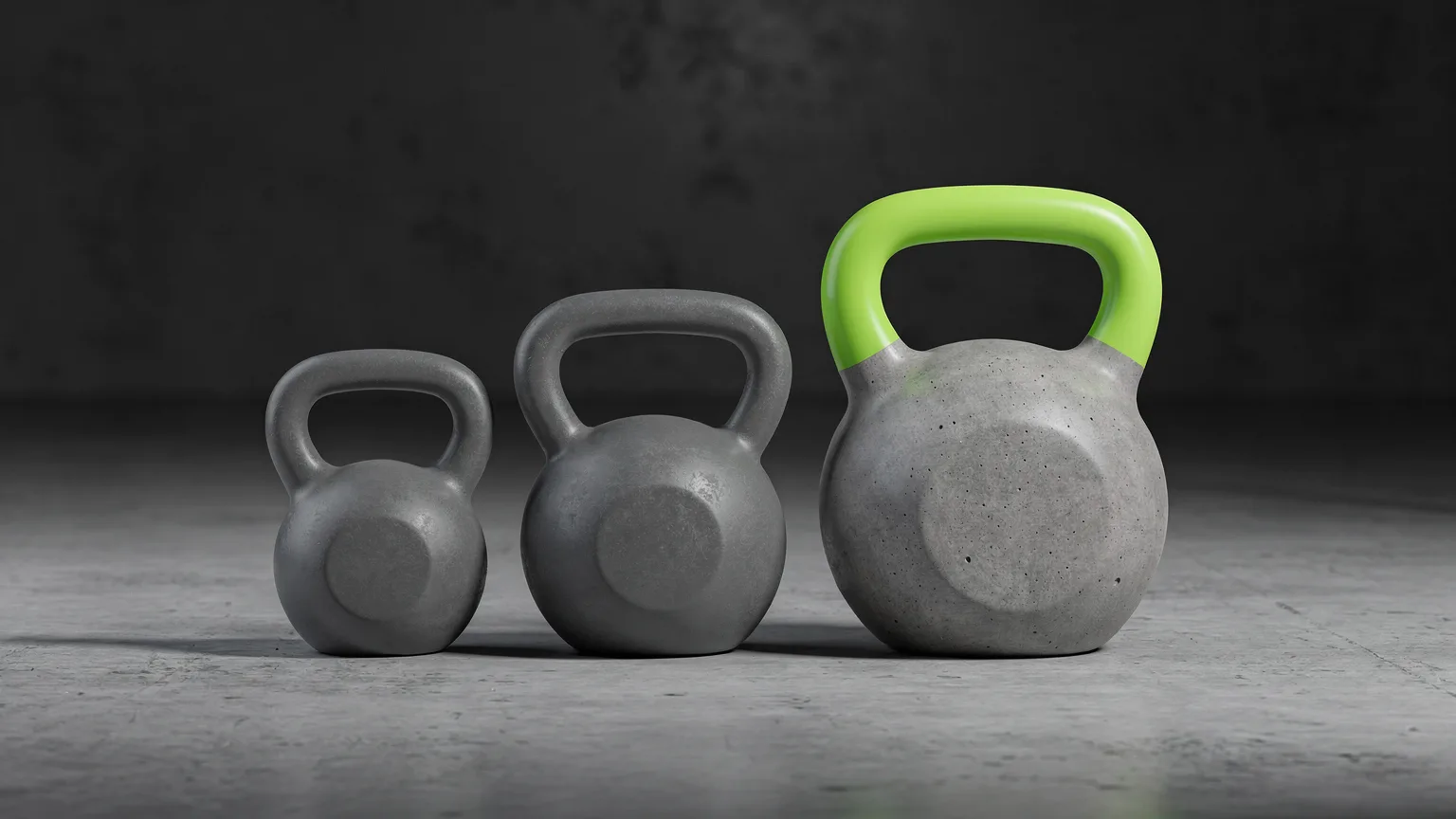
| Chase Fitness cast iron | One weight: 20 kg | Not applicable | Not published |
Pound figures for PowerBlock come from the maker. Centimetre conversions are ours, and the 35-62 lb model is roughly 16 to 28 kg when converted. The Chase Fitness product name gives its weight, but no maker page was found, so no further specification is stated here.
Do the steps between weights matter?
Yes, because the size of each jump decides how easily you can progress. The Bowflex 840 manual lists six increments between 3.5 kg and 18 kg, and the largest gap is 5 kg, from 11 kg to 16 kg. PowerBlock's 18-35 lb model has steps of 2 kg and a final jump of 4 kg.
A fixed bell has no steps at all. Going up means buying another bell, which costs space and money. The adjustable alternatives trade that for a mechanism that both makers tell you to inspect. Compare the two approaches in more depth in the best kettlebell guide.
When is a heavier or lighter bell the better choice?
A lighter bell suits slower, more controlled movements where form matters most, and a heavier one suits movements that use the legs and hips. That is a general reading of how the exercises load the body, not something Bowflex, PowerBlock or the NHS states, so use it only as a prompt to think about your own routine. If you are returning to exercise after a break or have a health condition, the makers' manuals and a doctor or qualified trainer are better guides than any buying page.
Does the handle change with the weight?
On PowerBlock's Pro models it does not: the maker lists a 32.77 mm handle at every setting. That is useful if you want your grip to stay constant as the weight rises. The Bowflex page does not describe its handle, so check the manual and product images before ordering if grip matters to you.
Fixed bells vary by maker, and many makers publish handle diameter and bell height alongside the weight. If the page you are reading does not, ask the seller before you buy.
How much space and floor do you need?
An adjustable kettlebell is a larger object than a fixed bell of the same weight, and it needs clear space around it. The Bowflex manual asks for free space 0.6 m more than the maximum reach of the exercise in all directions. Both makers say to set the bell directly on the floor because it is heavy.
The Bowflex manual states a kettlebell assembly weight of 18.4 kg, which includes the base. It also says the product is for home use only and not for anyone under 14. PowerBlock's manual says the bell must not be dropped, and that dropping it from any height voids the warranty. Read both before you commit to a floor type, and see the Bowflex 840 review and the PowerBlock Pro review.
What about a pair of dumbbells instead?
If your exercises are mostly presses and rows, a pair of dumbbells may fit better than a bell. That is a matter of exercise choice, not a claim about results, and the NHS lists lifting weights without ranking tools. The kettlebell vs dumbbell guide sets out the differences, and the dumbbell weight guide covers sizing for the other tool.
Which size should you buy in a nutshell?
- Pick a weight you can control for the whole set on your main exercise.
- If your budget allows, choose a range rather than a single bell, because one weight rarely suits swings and presses alike.
- Check the largest step between settings against how quickly you expect to progress.
- Allow clear floor space and read the maker's inspection advice.
- Ask a qualified trainer for a starting weight if you have a health condition or are unsure.
What does a single fixed bell cost?
For reference, a Chase Fitness 20 kg cast iron kettlebell is around £49 (checked Oct 2026). That buys one weight. Price is only part of the decision, and prices change, so check the current listing before ordering. A range from one adjustable unit costs more up front but replaces several single bells, and the best kettlebell guide compares the options by published specification.