In the air vs water rowing machine choice, neither wins outright. Concept2's air-resistance RowErg weighs 26 kg and reports a drag factor; WaterRower's Original Oak stands upright and lists a 315 kg user weight limit. Both cost around £1,000 (checked Oct 2026), so size, storage, upkeep and who will row decide it.
How does each resistance type work?
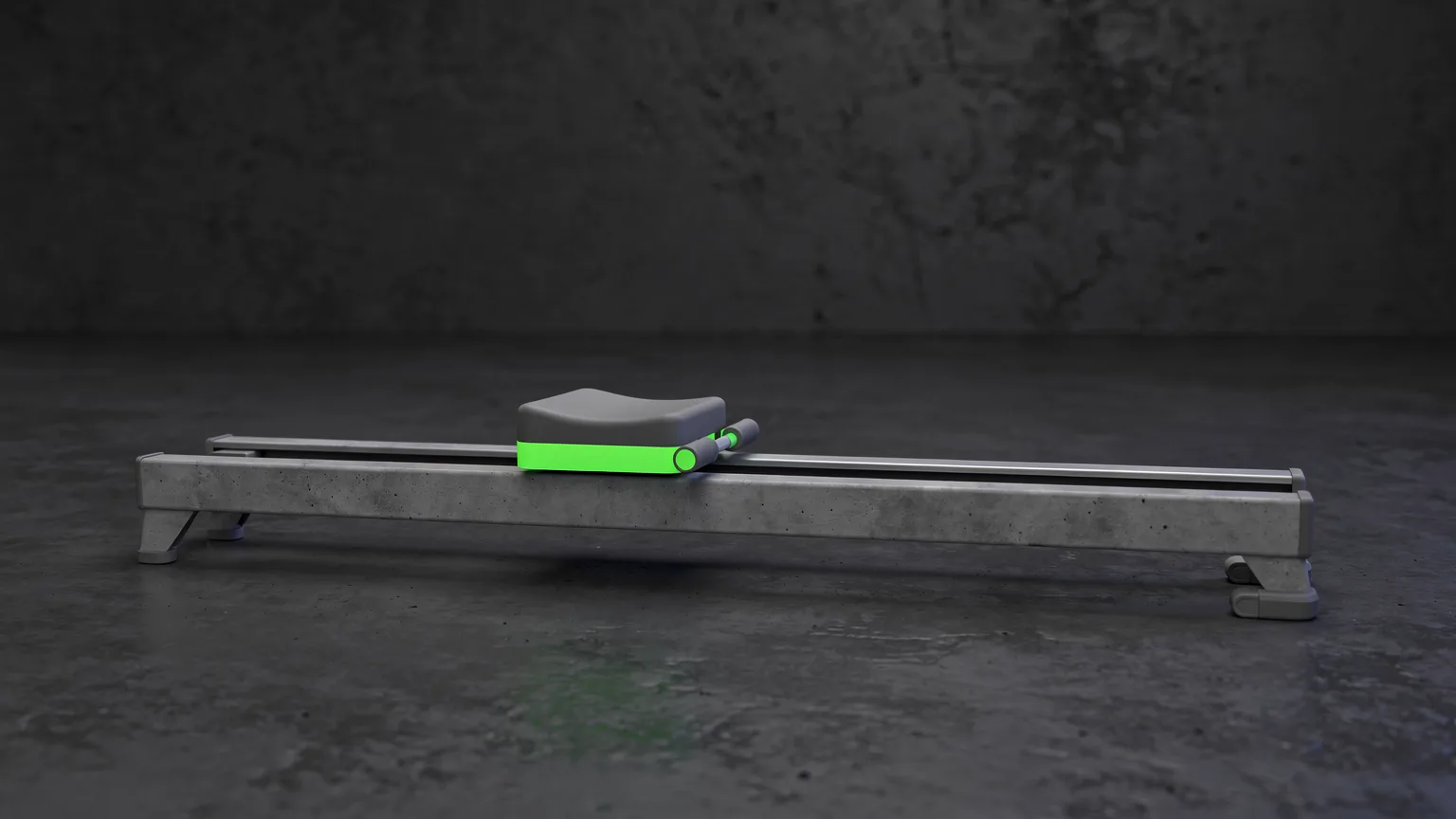
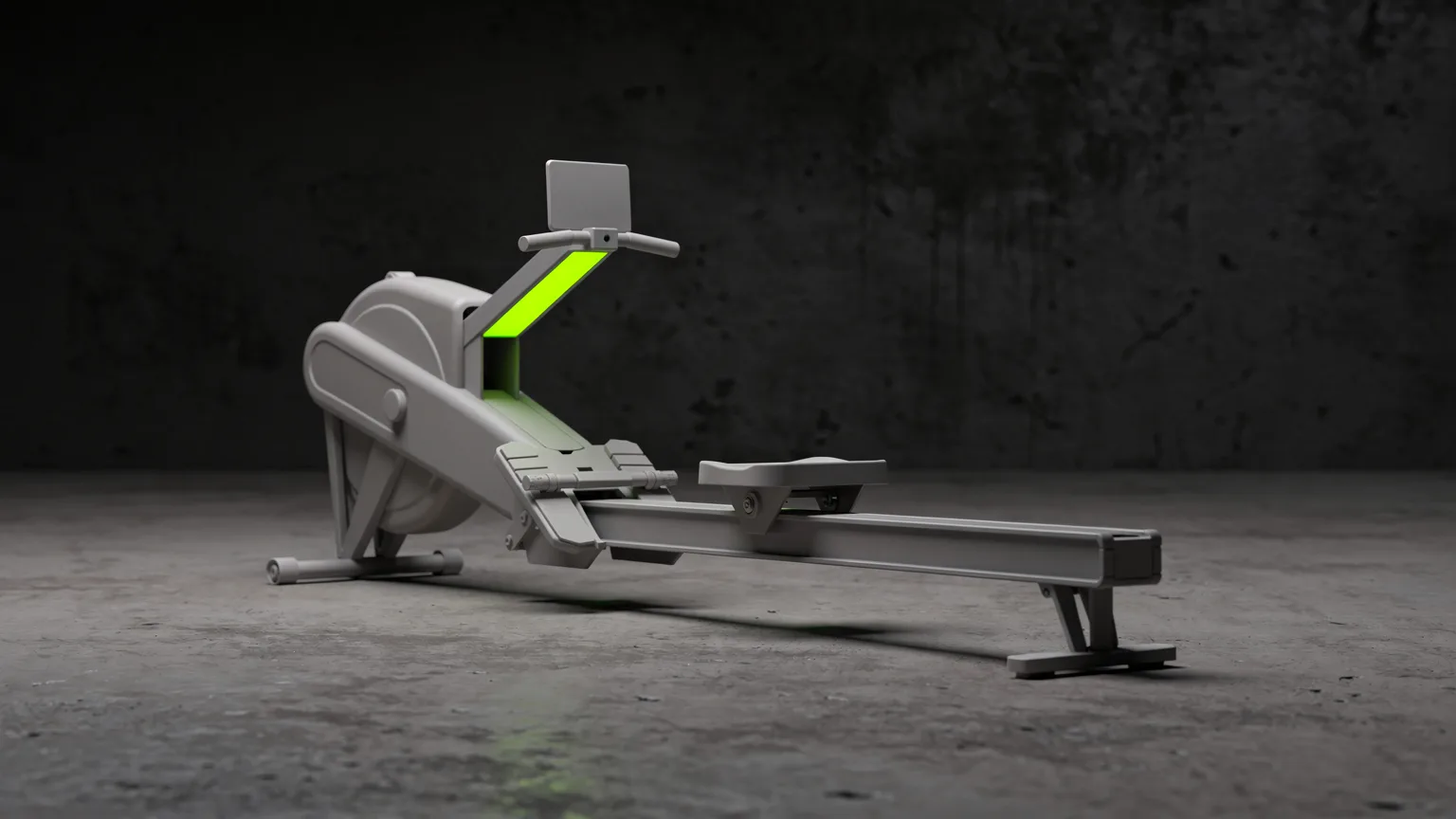
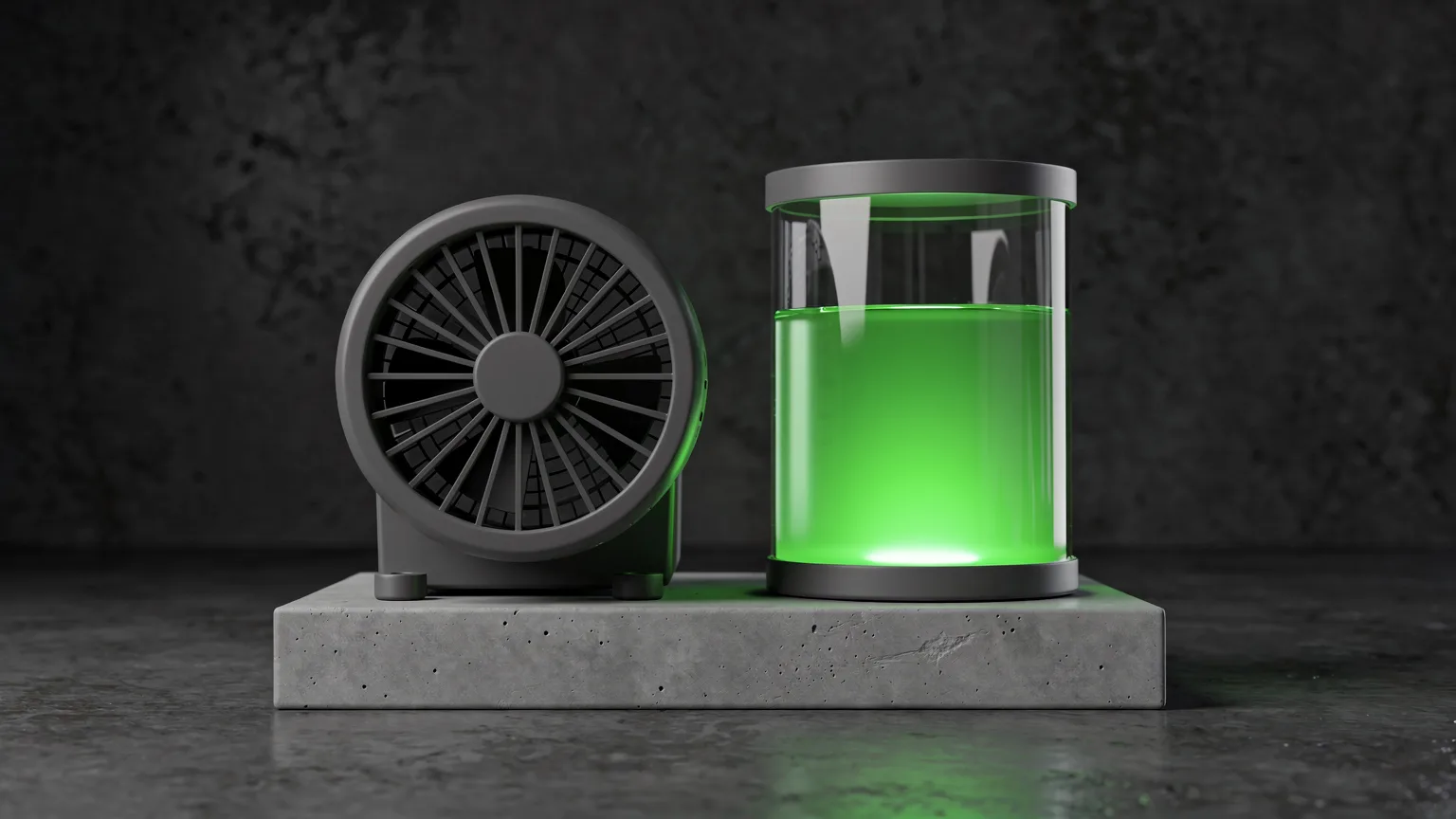
Both types give resistance that rises with how hard you pull, but they produce it differently. An air rower uses a flywheel inside a fan cage. Concept2 describes the damper, a lever numbered 1 to 10, as controlling how much air flows into and out of the flywheel housing. It says the damper changes how the stroke feels rather than setting the resistance directly, and that the performance monitor reports a "drag factor" (the rate at which the flywheel slows) so that different machines can be compared. For a new RowErg, Concept2 gives a drag factor of about 90 or less at damper 1 and 200 or more at damper 10, and suggests starting between 3 and 5.
A water rower uses a tank of water. WaterRower says its machines are powered by the natural resistance of its patented WaterFlywheel, and the Original Oak holds 17 litres. The maker publishes no equivalent of a drag-factor number on the page reviewed, so there is no like-for-like resistance figure to compare between the two machines.
Specification comparison
| Specification | Concept2 RowErg (air) | WaterRower Original Oak (water) |
|---|---|---|
| Length in use | 244 cm | 209 cm |
| Width | 61 cm | 57 cm |
| Weight | 26 kg (standard legs) | 29 kg dry, 46 kg with 17 litres of water |
| Seat height | 36 cm (51 cm with tall legs) | 30 cm (51 cm with optional HiRise) |
| User weight limit | 227 kg as tested by Concept2; 135 kg under EN 20957-7 | 315 kg |
| Maximum inseam | 96.5 cm (38 in); longer may need an extra-long monorail | 94 cm (37 in) |
| Storage | Splits in two without tools; 63.5 x 83.8 x 137.2 cm stored | Stands upright; 51 x 57 x 209 cm |
| Recommended space | 274 x 122 cm with clearance for use | 240 x 100 cm |
| Monitor | PM5 | S4 Bluetooth monitor |
| Noise figure | Not published | Not published |
| Warranty | Limited 2-year and 5-year warranty | 5-year frame, 3-year parts |
| Indicative price | around £990 (checked Oct 2026) | around £999 (checked Oct 2026) |
Is an air or water rowing machine quieter?
Neither maker publishes a decibel figure, so no verified answer exists. WaterRower states that its machine "operates quietly with only the sound of moving water", while Concept2's page gives no noise level. Treat noise as unconfirmed for both and ask the retailer if a shared wall or a room above a bedroom matters to you. As general reasoning rather than a measured result, an air rower moves air through a fan cage, so some airflow sound is to be expected at higher damper settings. For wider noise planning see the home gym ventilation and noise guide.
Which rowing machine stores more compactly?
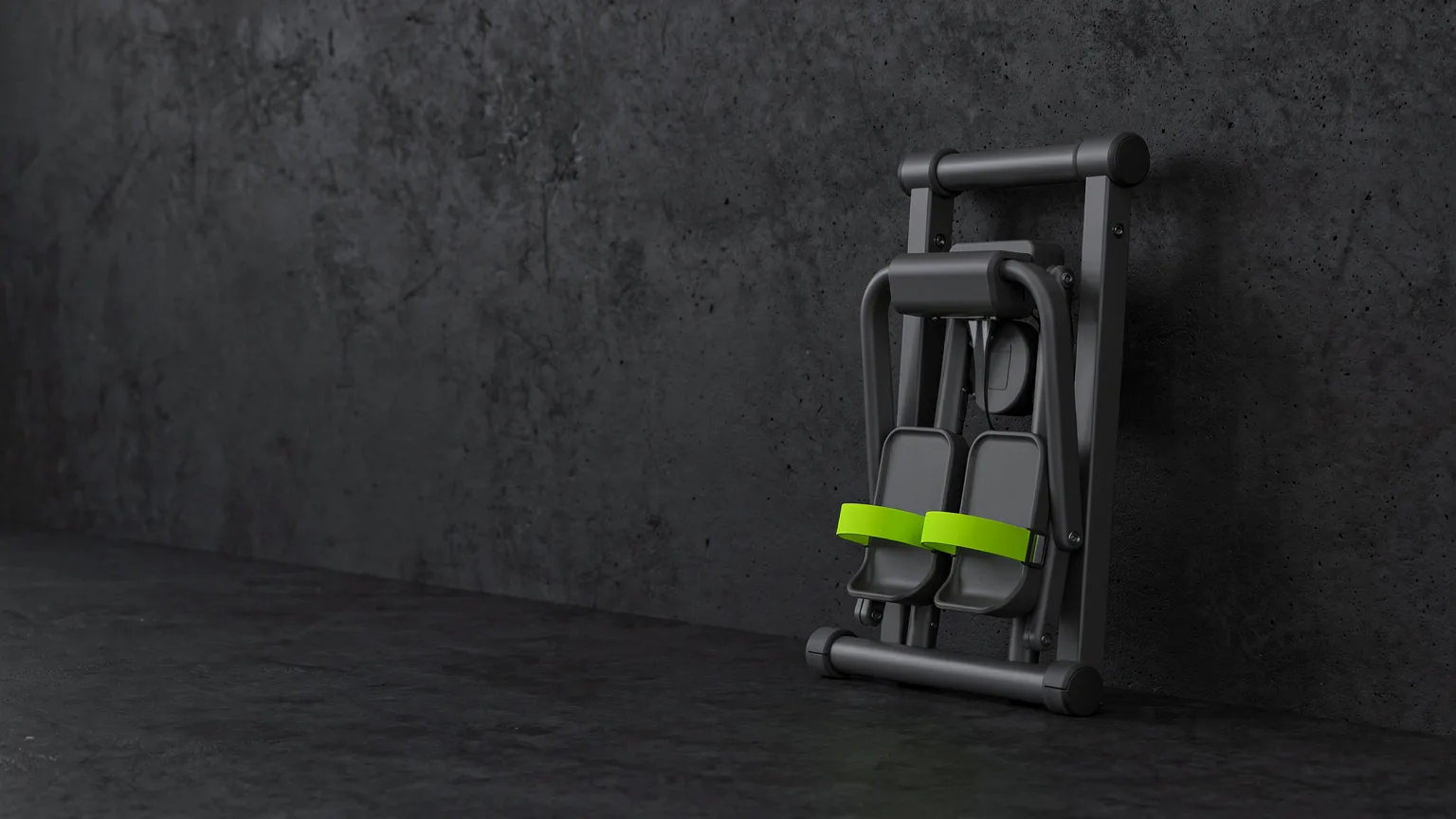
The WaterRower takes less floor, but the Concept2 takes less height. The Original Oak stands upright at 51 x 57 x 209 cm without draining the tank, so it needs only 51 x 57 cm of floor but 209 cm of clear height. The RowErg separates into two pieces without tools and has caster wheels; stored with standard legs it is 63.5 x 83.8 x 137.2 cm, which can suit a cupboard or the space under a bed frame if the depth is enough.
In use, Concept2 recommends 8 ft x 2 ft (244 x 61 cm) for the assembled machine and 9 ft x 4 ft (274 x 122 cm) with clearance. WaterRower recommends 8.5 x 3.5 ft (240 x 100 cm). Check ceiling height as well as floor area for the WaterRower. For wider planning, see the small apartment home gym guide.
Does a water rower need more maintenance than an air rower?
On the makers' pages, yes: WaterRower gives a schedule and Concept2 does not. WaterRower sells purification tablets for the tank and instructs adding two tablets every four to six months, and warns not to use them with its WaterBlue dye. Concept2 describes its machines as durable and designed to be easy to care for and lists a nickel-plated steel chain, but its page gives no cleaning schedule, so follow the user manual that ships with the machine. Neither page gives oiling or cleaning steps for the finish or drive.
Which has the higher user weight limit?
WaterRower lists the higher figure: 315 kg for the Original Oak. Concept2 states 227 kg as tested by Concept2 and 135 kg under the EN 20957-7 standard, and the two figures come from different test methods. Where the difference matters, read the manual or ask the maker which figure applies to your situation.
What does the damper on an air rower do?
The damper changes how the stroke feels; it does not directly set the resistance. Concept2 says it controls how much air flows into the flywheel housing, and that the monitor's drag factor is the figure to use when comparing machines or settings. A water rower has no damper, so there is no setting to return to; the effort comes from the pull itself.
Monitors and tracking
Concept2's PM5 monitor is included with the RowErg. The maker says it connects over Bluetooth to the free ErgData app, which has Real Time Loop, workouts and logbook features, and that over 40 other apps are compatible. The monitor shows the drag factor and draws power from the spinning flywheel to extend the life of its two D-cell batteries. WaterRower includes its S4 Bluetooth monitor, which it says tracks time, distance, stroke rate and intensity and connects to WaterRower Connect and other compatible apps. Optional upgrades are the PowerPulley Performance System and a 19.5 inch CITYROW touchscreen. If app syncing matters, confirm which apps and subscriptions the monitor you choose supports.
Fit for taller and heavier users
The two makers publish different limits. Concept2 gives the RowErg a 54 in (137 cm) monorail and says both leg options fit inseams up to 38 in (96.5 cm), with longer inseams possibly needing an extra-long monorail, in which case it asks users to contact Concept2. WaterRower's page lists a maximum user height of 37 in (94 cm) by inseam, so a user with a 95 cm inseam falls inside the Concept2 limit and outside WaterRower's.
What to check on delivery and returns
Both machines are large boxes. WaterRower's page shows free delivery on orders over £100 and links to a Delivery and Installation page, without giving assembly steps or timeframes. Concept2 says the box includes tools and illustrated instructions but gives no assembly time. Before ordering, ask the seller about room-of-choice delivery and assembly. GOV.UK's guidance on returns says online and distance sales carry a 14-day cancellation period after receipt, and that a faulty item returned within 6 months must be repaired or replaced; read the seller's own terms for how that applies to a machine of this size.
Who should choose which?
- Choose air if you want the lighter machine to move (26 kg), a resistance figure (drag factor) you can compare across machines, or the free ErgData app.
- Choose water if upright storage matters, if you want the higher stated user weight limit (315 kg), or if a wooden finish suits the room. Allow for moving a 46 kg machine if you ever drain and refill the tank.
- Taller users should check the maker figures first: Concept2 says both leg options fit inseams up to 96.5 cm, and WaterRower lists a maximum inseam of 94 cm.
How to decide quickly
- Measure the room length, and the ceiling height if you plan to store a rower upright.
- Check each maker's inseam and weight limits against every user.
- Decide whether you want a resistance number you can compare (drag factor) or a water tank you must look after.
- Check warranty, delivery and assembly details with the seller.
Who should skip both
If the budget is nearer £500 than £1,000, neither suits. See the budget rowing machine guide, or the wider best rowing machine for home UK comparison. If you are undecided between rowing and cycling, read rowing machine vs exercise bike.
Full reviews
Specification-led write-ups are available for the Concept2 RowErg (formerly Model D) and the WaterRower Oak. A hard floor or mat helps protect the surface under either machine; see the home gym flooring guide.