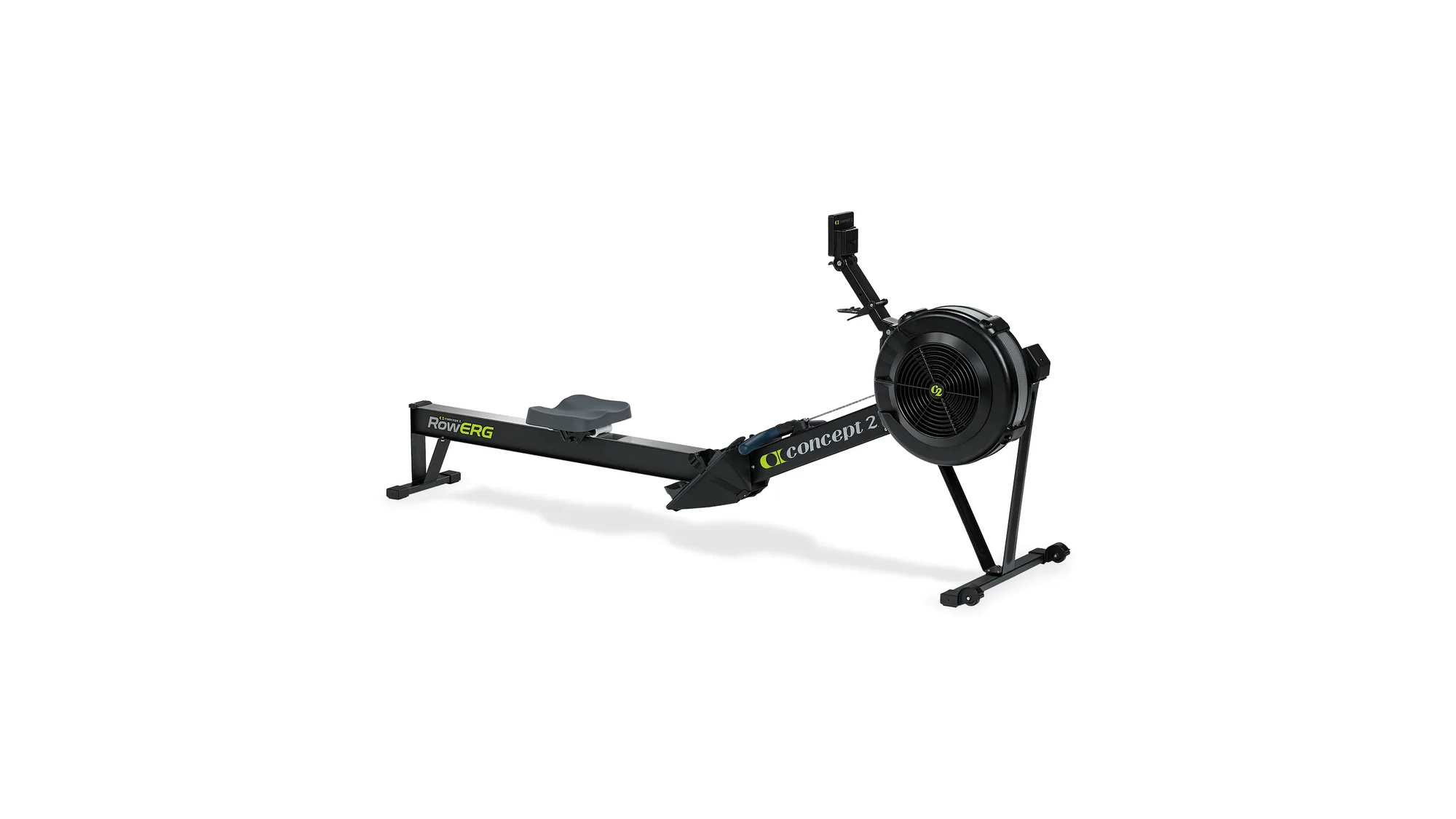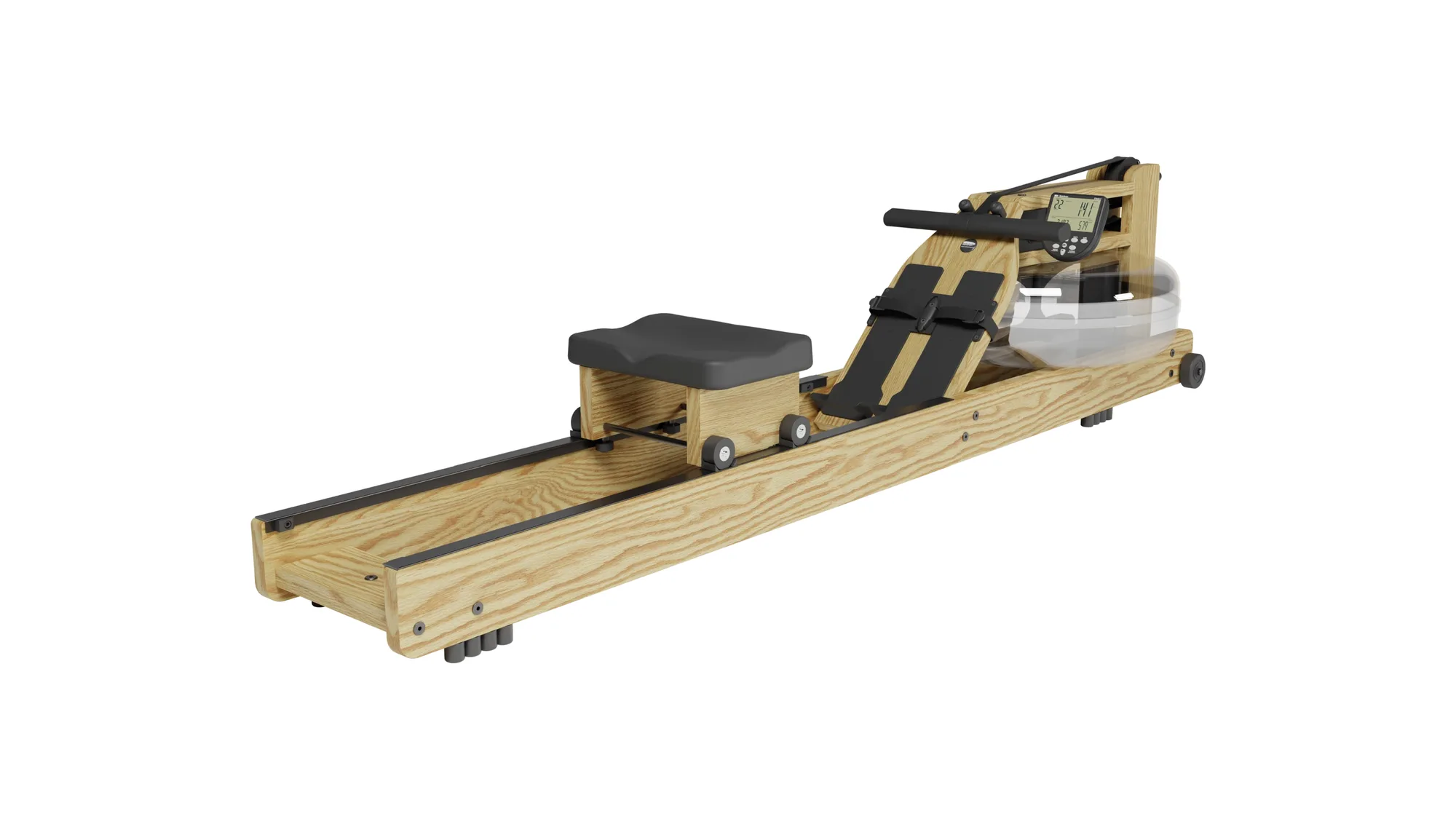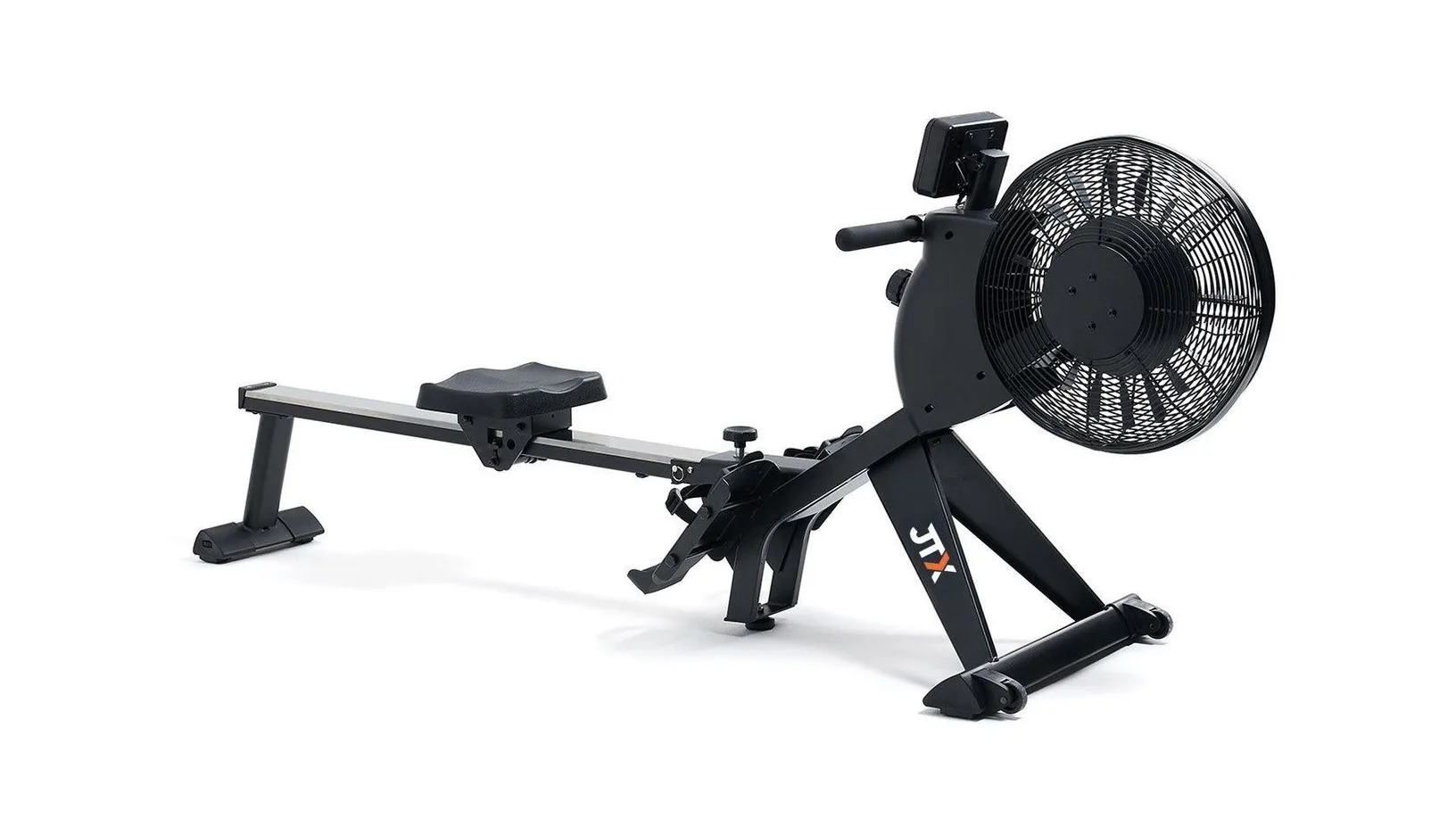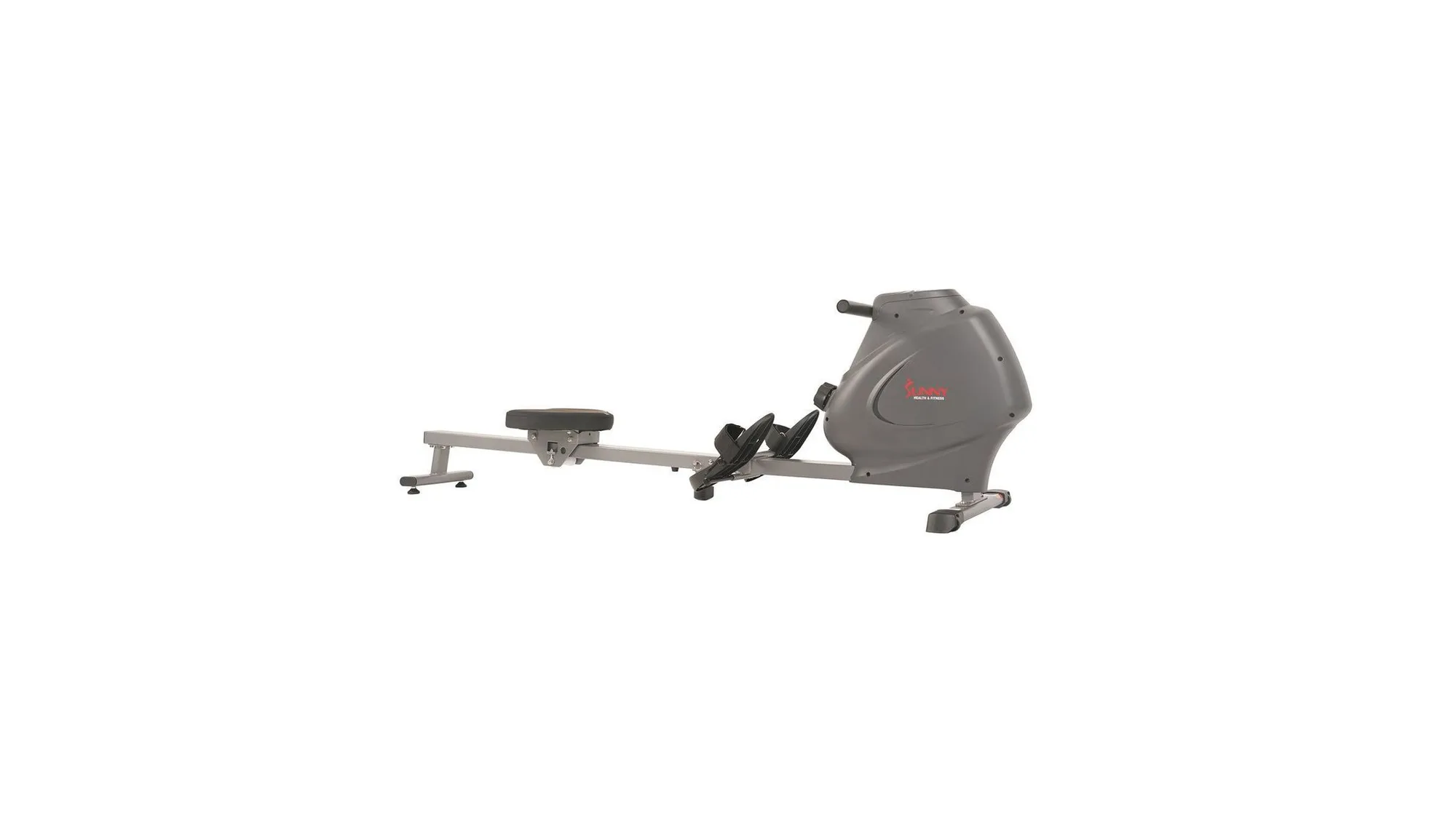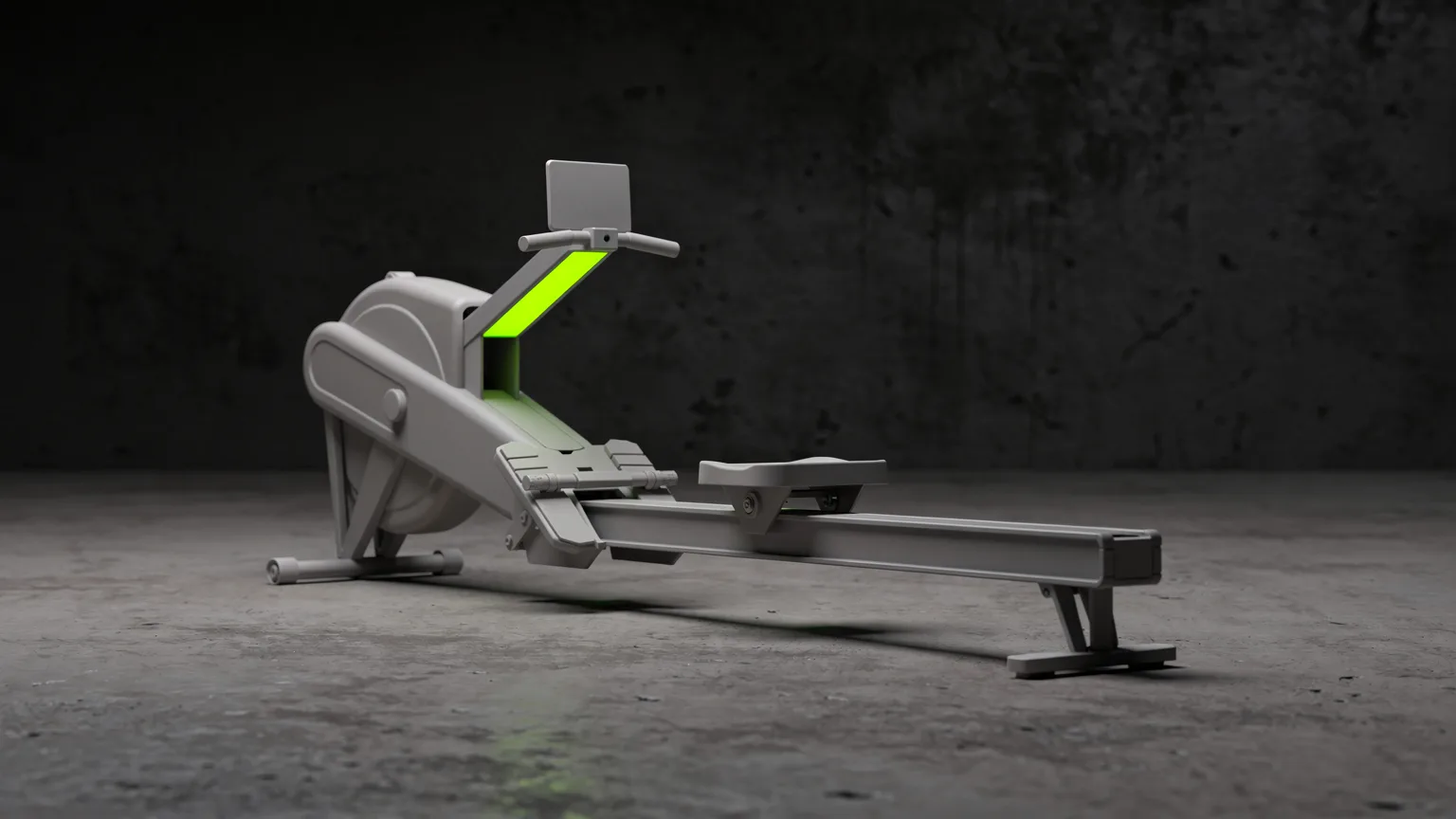
The best rowing machine for beginners is one you can return, set up easily and learn technique on. On published specifications that points to the Concept2 RowErg or WaterRower Original Oak if budget allows, and the JTX Freedom Air or Sunny SF-RW5801 if it does not. Prices checked Oct 2026.
What should a beginner look for in a rowing machine?
A beginner should weigh five things before resistance type: how long the machine can be returned, whether it fits the user's leg length, how easy it is to get on and off, how much feedback the monitor gives, and how much room it needs. The makers' pages let you compare most of these directly.
This page is about the first rower you buy. For a straight comparison of the same four machines by price, weight and warranty, see best rowing machine for home. For the resistance types themselves, see air vs water rowing machines.
Which beginner rowers can be returned if rowing is not for you?
Concept2 and WaterRower publish the clearest trial terms: Concept2 lists a 30-day money-back guarantee on its RowErg page, and WaterRower's returns page allows a return request within 30 days of receiving the order. JTX lists a 28-day money-back guarantee. Sunny's page reviewed gives no returns terms.
The conditions matter as much as the number of days. WaterRower says items must come back in good condition with all components and instructions, asks you to keep the original packaging for the full 30 days and repack the equipment yourself, and says the refund may be reduced if the item has been used beyond what is needed to inspect it. Unless the product is faulty, damaged or incorrect, you may also pay the cost of returning it. A rower is large and heavy, so ask who pays for collection before ordering.
Separately, GOV.UK's guidance for online sellers says a customer can cancel an order up to 14 days after it is delivered without giving a reason. Whether that applies depends on where and how you buy, so check the seller's terms. GOV.UK covers the general rules on its page about accepting returns and giving refunds.
Which rowers are easiest to get on and off?
The Concept2 RowErg offers the choice: its standard legs put the seat 36 cm (14 in) off the floor, and the tall-leg version puts it 51 cm (20 in) up. Concept2 states that both versions fit inseams up to 96.5 cm (38 in). The other three makers do not publish a seat height on the pages reviewed.
Seat height is a reasoned point rather than a ranking: a higher seat is a shorter distance to lower yourself, which some buyers with stiff knees or hips prefer. The makers do not make that claim, and anyone with a joint or mobility concern should ask a GP or physiotherapist rather than rely on a specification sheet.
Leg length is the other fit check. WaterRower gives a maximum inseam of 94 cm (37 in). Sunny lists a slide rail inseam of 43.5 in (about 110 cm) on a 43 in rail. JTX lists a 120 cm monorail with 114 cm of seat travel but no inseam limit. Measure the inseam of the tallest user and compare it with these figures.
What does each maker publish about learning the stroke?
Concept2 publishes the most technique guidance of the four. Its technique page describes the stroke as legs first, then the back swinging through vertical, then the arms finishing the pull, with the recovery reversing that order: arms extend, body leans forward from the hips, and the knees bend once the hands clear them.
It also says "Don't pull too hard until you are comfortable with the technique fundamentals", suggests having someone watch you row, and describes the drive as the work and the recovery as the rest, blended into one smooth motion. Its foot strap article says the strap should sit above the ball of the foot, snug but loose enough to keep circulation, and that the straps allow more layback but the core should provide stability. It warns against pulling on the straps to haul yourself up the slide, saying this stresses the hamstrings and can cause injury.
These points apply to any indoor rower, so a buyer of the JTX or Sunny can use them too. The difference is that Concept2 and WaterRower back their machines with their own guidance and monitors, while JTX and Sunny publish less on technique on the pages reviewed.
Does a beginner need to understand the damper setting?
Only on the Concept2, and Concept2 gives a clear answer: for the RowErg it recommends starting with a damper setting between 3 and 5. It adds that the damper "controls the amount of airflow in and out of the flywheel", that resistance comes from the user, and that the user dictates the power applied in each stroke whatever the setting.
This is useful for a first-time buyer because a higher damper number does not mean a better workout. Concept2 says the same setting can feel different on different machines, which is why its monitor measures drag factor from the flywheel's rate of deceleration. A magnetic machine such as the Sunny, with 16 levels, or the JTX, with 8 levels of combined magnetic and air resistance, gives numbered levels instead. As reasoning rather than a measured result, a numbered level is easier to write down and return to between sessions.
Beginner comparison from the makers' pages
| Beginner criterion | Concept2 RowErg | WaterRower Original Oak | JTX Freedom Air | Sunny SF-RW5801 |
|---|---|---|---|---|
| Indicative price (Oct 2026) | around £990 | around £999 | around £429.99 | No price set |
| Trial or returns terms on maker page | 30-day money-back guarantee | Return request within 30 days of receipt | 28-day money-back guarantee | Not published |
| Seat height | 36 cm standard, 51 cm tall legs | Not published | Not published | Not published |
| Inseam or rail guidance | Up to 96.5 cm | Maximum inseam 94 cm | 120 cm monorail, 114 cm seat travel | 43 in rail, 43.5 in slide rail inseam |
| Resistance | Air, damper setting | Water, 17 litre tank | Air and magnetic, 8 levels | Magnetic, 16 levels |
| Monitor | PM5, Bluetooth to ErgData app | S4 Bluetooth monitor | Time, distance, split, strokes, watts, calories; no wireless | Calories, count, time, total count, scan |
| Assembly | Tools and instructions included | Not published | Not included; separate service listed at £119 | Manual linked, no details |
| Noise | Not published | "Operates quietly" (no figure) | Rated "High" by maker | Not published |
What will a beginner see on the monitor?
The JTX console shows the most numbers of the lower-priced pair: JTX lists time, distance, split data, strokes, watts and calories, and heart rate works with a Polar H10 chest strap, although the console has no wireless connectivity. Sunny's monitor lists calories, count, time, total count and scan, so it does not show a split or watts.
The Concept2 includes the PM5 monitor with a device holder and connects over Bluetooth to ErgData and other apps. WaterRower includes the S4 Bluetooth monitor, and lists the PowerPulley system and the CITYROW touchscreen as optional upgrades. A beginner who wants a record of progress may value the apps; one who wants a simple timer may not need them.
How much room does a first rower need?
Allow more than the machine's length. Concept2 gives 244 x 61 cm assembled and recommends 274 x 122 cm with clearance for use; it splits in two without tools and the standard-leg version stores at 63.5 x 83.8 x 137.2 cm. WaterRower recommends a training area of at least 240 x 100 cm and stores upright at 51 x 57 x 209 cm without draining the tank.
JTX lists 230 x 55 x 88 cm assembled and says it folds for storage on transport wheels but does not give a folded size on the page reviewed. Sunny lists 77 x 23 x 22.5 in in use and 36.3 x 23 x 47 in folded. The machine weights are 26 kg (Concept2, standard legs), 29 kg dry and 46 kg filled (WaterRower), 40 kg (JTX) and 49.6 lb, about 22.5 kg (Sunny). On the first row, check that the weight is one you can move on your own, and see home gym flooring for protecting the floor underneath.
Which first rower suits which beginner?
Each pick follows from the published figures rather than from use of the machines.
- Wants the best-documented route to good technique: the Concept2 RowErg, for the maker's technique, damper and foot strap guidance. See the Concept2 RowErg review.
- Short on floor space, can store upright: the WaterRower Original Oak at 51 x 57 cm when stood up, provided the room is at least 209 cm high. See the WaterRower Oak review.
- Tight budget but wants a data-rich console: the JTX Freedom Air, noting the maker's own "High" noise rating and the separate assembly charge. See the JTX review.
- Wants the lightest, smallest-folding option: the Sunny SF-RW5801, with the two user weight limits and the shorter rail to check first. See the Sunny review.
If cost is the main limit, the budget rowing machine guide goes deeper on the lower end.
What should a beginner check before ordering?
Check four things that the makers' pages leave open: the delivered box weight and who carries it in, whether assembly is included, the UK warranty terms in writing, and the return conditions. Sunny's warranty is listed for US markets, and its page gives both 285 lb and 250 lb as the user weight limit without explaining the difference. Ask the seller which applies.
User weight limits differ in kind: Concept2 states 227 kg as tested by Concept2 and 135 kg under EN 20957-7; WaterRower lists 315 kg; JTX lists 135 kg. Read the manual rather than choosing the highest number. For warranty, WaterRower lists a 5-year frame and 3-year parts warranty, JTX a 2-year in-home repair warranty, Concept2 a limited 2-year and 5-year warranty without itemising on the page, and Sunny a 3-year frame and 180-day parts warranty.
Who should skip a rowing machine?
Skip it if the room cannot hold a machine of about 2 to 2.4 m plus clearance, or if the budget is better spent on something that suits you more. A bike is a smaller seated alternative; see rowing machine vs exercise bike. The NHS recommends adults aged 19 to 64 do at least 150 minutes of moderate activity a week, and says a moderate pace is one where you can still talk but not sing. It advises speaking to a GP first if you have not exercised for some time or have a medical condition.