In a home gym vs gym membership comparison, the home gym wins once its equipment costs less than the months of membership you would otherwise pay. At £19.99 a month, around £90 of fixed dumbbells equals about 4.5 months, while a Concept2 rower at around £990 equals about 49.5 months.
How much does a UK gym membership cost?
Published UK prices start at £14.99 to £15.99 a month and rise to £58.99, depending on the operator, the gym and the plan. Both operators below say prices vary by gym, so treat these as examples rather than a national rate. Figures were read from the operators' own pages in October 2026.
- The Gym Group: its monthly memberships page lists Off-peak from £15.99, Standard from £19.99 and Ultimate from £24.99, each with a £10 joining fee. Off-peak is offered in selected gyms and limits access to restricted hours. Standard gives access to one gym, almost all of which are open 24/7, with free unlimited classes. Ultimate adds access to up to 5 gyms at a time and 4 guest passes a month. The page does not state contract length or cancellation terms; it links to a separate membership agreement.
- PureGym: its gym-selection page shows a "starting at" monthly price per gym, from £14.99 (Liverpool Central) to £58.99 (London Moorgate), with joining fees from £0 to £25. Some gyms show a temporary introductory price.
Simple multiplication gives the yearly cost. At £19.99 a month, twelve months is £239.88, plus the £10 joining fee. At £14.99 it is £179.88, and at £58.99 it is £707.88, before any joining fee. These figures assume the price stays the same, which neither operator's page promises.
What does home gym equipment cost?
Home gym equipment costs from around £90 for a fixed dumbbell pair to around £990 for a Concept2 rower, on the site's indicative prices. Each is labelled "checked Oct 2026", is not a live price, and excludes delivery.
| Equipment | Indicative price (checked Oct 2026) | What the maker or listing states |
|---|---|---|
| PROIRON rubber hex dumbbells, 14kg (pair) | around £90 | Fixed weight, listed as a pair; no maker page was located |
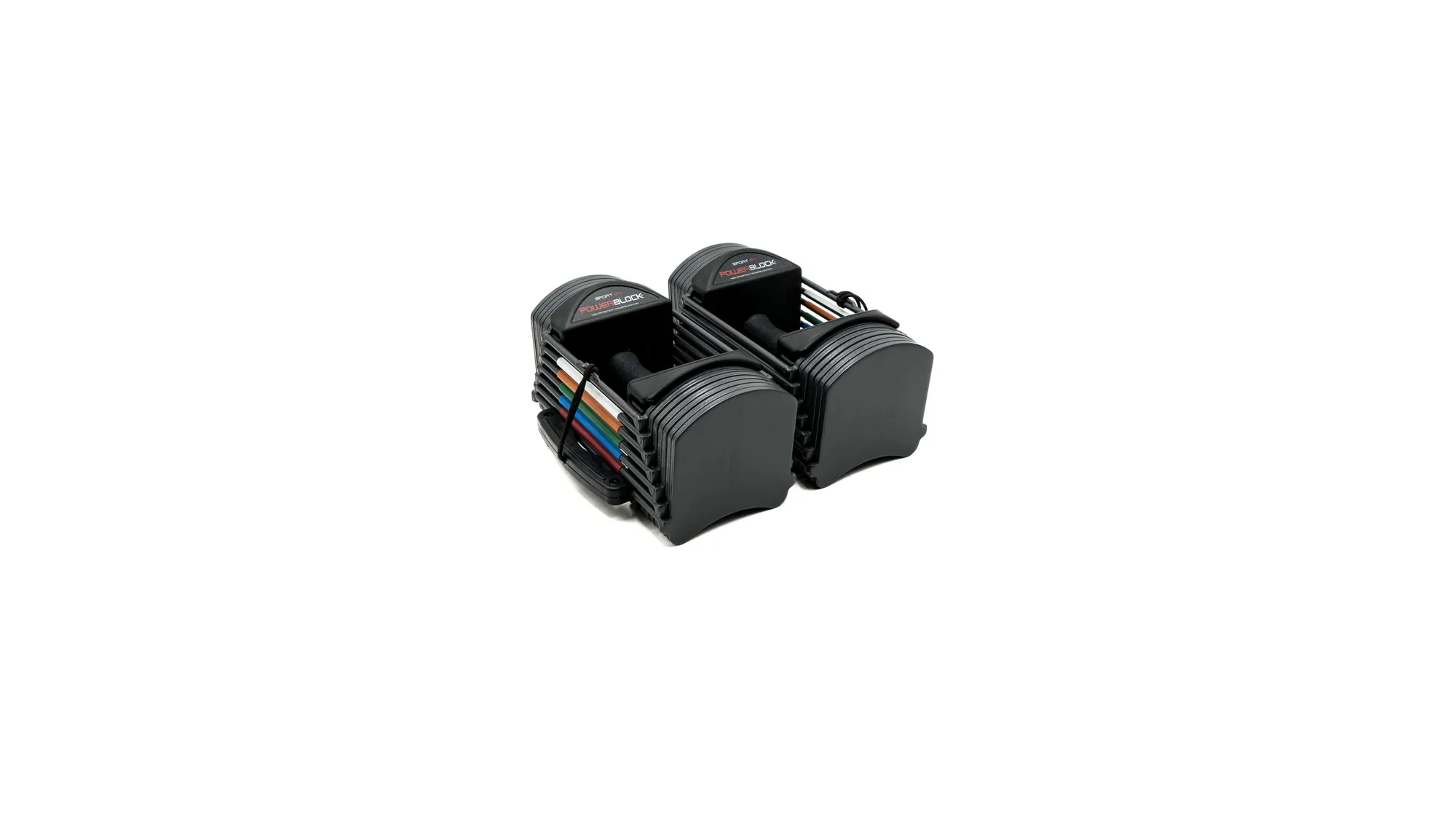
| PowerBlock Sport 24 | around £205 | 3 to 24 lb (about 1.4 to 10.9 kg) per dumbbell, 3 lb steps |
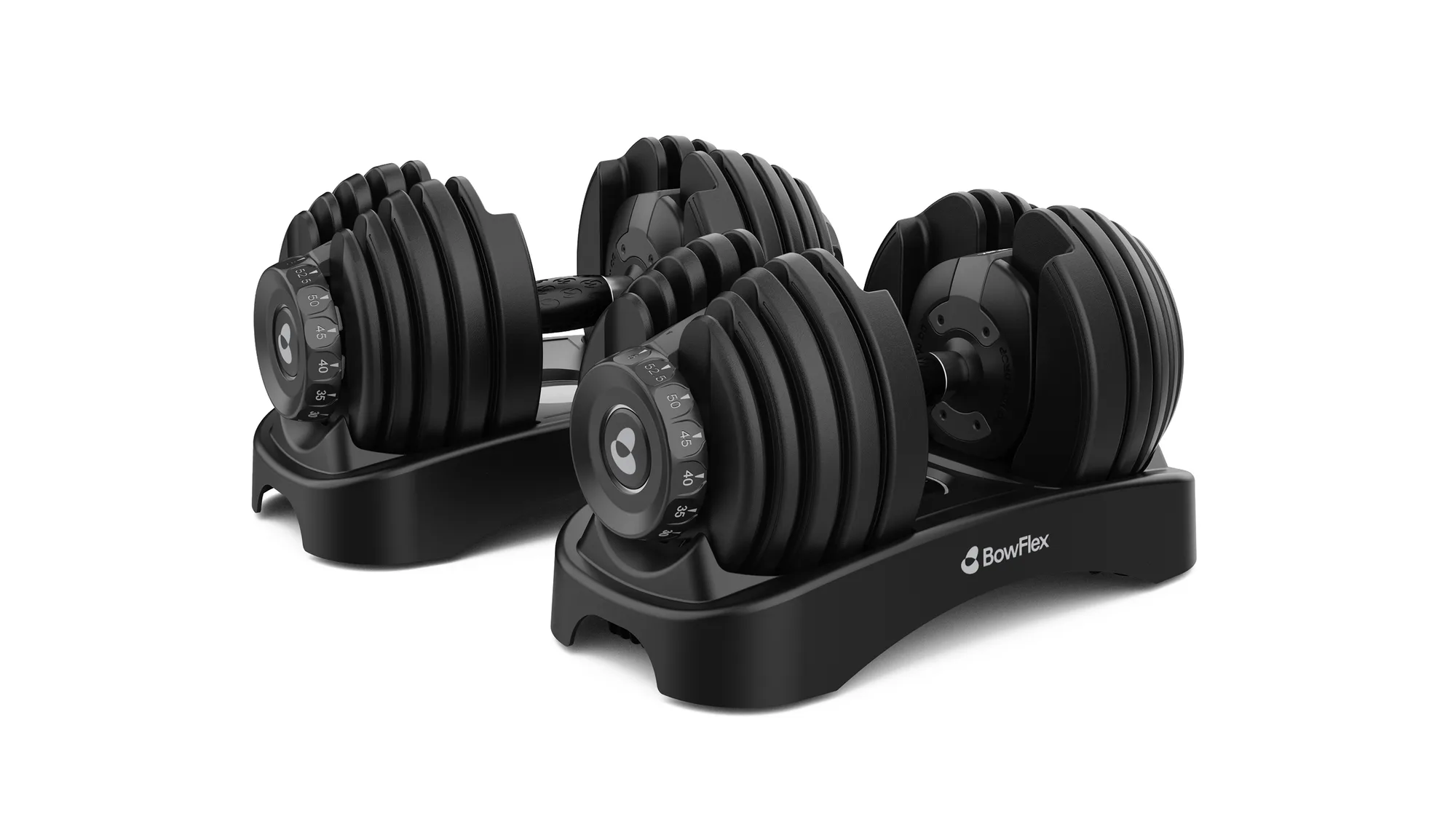
| Bowflex SelectTech 552 | around £608 | 5 to 52.5 lb (2.3 to 23.9 kg) per dumbbell, 15 settings |
| Concept2 rowing machine | around £990 | Air-resistance rower; no maker price in pounds on the page opened |
Is a home gym cheaper than a gym membership in the UK?
It can be, depending on the equipment and the membership you compare it with: the cheaper the membership, the longer equipment takes to pay back. Dividing the equipment price by a monthly fee gives the months of membership the same money would buy. This is a reasoned comparison, not a prediction: it ignores flooring, a bench, delivery, resale value, joining fees and any change in prices.
| Equipment | vs £14.99 a month | vs £19.99 a month | vs £58.99 a month |
|---|---|---|---|
| PROIRON dumbbell pair (£89.99) | 6.0 months | 4.5 months | 1.5 months |
| PowerBlock Sport 24 (£204.73) | 13.7 months | 10.2 months | 3.5 months |
| Bowflex 552 (£608.24) | 40.6 months | 30.4 months | 10.3 months |
| Concept2 rower (£990) | 66.0 months | 49.5 months | 16.8 months |
A premium city-centre membership at the top of PureGym's range is far easier to beat than a £14.99 or £19.99 one. A year of the £19.99 example (£239.88 before the joining fee) is already more than the PowerBlock Sport 24 at around £205, so the break-even point there falls inside the first year.
What does a break-even comparison leave out?
It leaves out everything that is not a price: the range of equipment, space, related costs and resale value.
- Range of equipment. A gym offers machines and cardio kit that a home setup will not match. The two dumbbell systems above stop at the maker's stated maximum, 23.9 kg per dumbbell for the Bowflex and about 10.9 kg for the PowerBlock. The Gym Group's Standard plan also lists free unlimited classes, which no equipment purchase replaces.
- Space. Equipment needs somewhere to live. See our small apartment setup guide if floor area is tight.
- Related costs. Flooring, a bench and storage add to the total. Our home gym cost guide adds up complete sets from the same indicative prices.
- Resale value. Equipment can be sold on, which lowers its true cost; see the second-hand buying guide. Memberships have no resale value.
- Warranty terms. PowerBlock lists a 5-year limited warranty for residential use only, and Bowflex lists 2 years on parts with accidental damage covered only under optional Protection+ plans. A membership has no equivalent to repair or replace.
Can a home gym meet the NHS activity guidelines?
Yes: the NHS guidance can be met at home or in a gym. It recommends at least 150 minutes of moderate-intensity or 75 minutes of vigorous-intensity activity a week for adults, plus muscle-strengthening activities on at least two days a week that work all the major muscle groups. Its strength guidance lists lifting weights, resistance bands and body-weight exercises such as push-ups, sit-ups and squats. Cost and convenience are therefore the real deciding factors. For safety questions or health conditions, speak to a GP or a qualified professional.
Which suits which situation?
This reasoning follows from the figures above rather than from any individual's experience.
- Dumbbell-based strength work and a low-priced membership: a fixed pair or the PowerBlock pays back within roughly a year against the £19.99 example, so the choice is mainly about the weight range you need. Compare options in our adjustable dumbbells guide.
- A higher-priced membership: the Bowflex 552 reaches break-even in about 10 months against £58.99 a month, though that price is at the top end of the range quoted.
- Cardio equipment: a rower at around £990 takes years against an entry-level membership, so the case rests on convenience, not saving. See the rowing machine guide before deciding.
- Mixing both: nothing stops you keeping a lean home setup and a low-cost membership for machines, which is a decision about range rather than price.
How do I run the numbers for my own case?
Take the monthly price shown on your nearest gym's own page, multiply by the number of months you expect to keep going, and add any joining fee. Then add the indicative price of each item you would need, plus flooring and delivery. If the equipment total is lower than the membership total over a period you are confident about, the home gym is cheaper on cost alone. Check the operator's membership agreement for contract length and cancellation terms, which the pages opened here do not state, because a minimum term changes the membership total. Also note whether the price you see is a temporary introductory price, as PureGym shows for some gyms, since the ongoing monthly fee may differ from the headline figure.
Who should skip the home gym?
Anyone who wants classes, machines or a pool, or who has no space to keep equipment, should skip it: the arithmetic above does not capture what you would give up. If you are unsure you will use the equipment, a low-cost membership with a published price and no equipment to store carries less upfront risk. If you are weighing a staged build instead, see the budget home gym guide.