Buying second-hand home gym equipment in the UK can lower the upfront price, but a private sale may not carry the protections of a retailer sale. Inspect the item against the maker's own checks, ask about its manual and warranty status, and compare any saving with the new price.
Do I have consumer rights when buying second-hand from a private seller?
Not necessarily: the Consumer Rights Act 2015 applies to agreements between a trader and a consumer, and a private individual selling their own item may not be a trader. Section 1 says Part 1 applies where there is an agreement between a trader and a consumer for the trader to supply goods, whether the contract is written, oral or implied from conduct. Section 2 defines a trader as a person acting for purposes relating to their trade, business, craft or profession, and a consumer as an individual acting for purposes wholly or mainly outside their trade, business, craft or profession.
A person selling their own unused equipment is not obviously a trader, so the statutory protections that apply to purchases from a business may not apply. Whether a particular seller counts as a trader is a legal question; Citizens Advice or your local Trading Standards service can advise on a specific sale. This is a reasoned reading of the legislation, not legal advice. The practical consequence is to treat a private sale as "as seen", and to inspect before paying. If the seller is a business, the position can differ, so ask who is selling.
Does the maker warranty transfer to a second owner?
The maker pages opened for this guide list warranties but do not say whether they transfer, so ask the maker before relying on one. For contrast, they show what comes with new equipment.
| Product | Warranty stated by the maker | Transfer to a second owner |
|---|---|---|
| WaterRower Oak | 5-year frame, 3-year parts | Not stated on the page |
| PowerBlock Sport 24 | 5-year limited, residential use only | Not stated on the page |
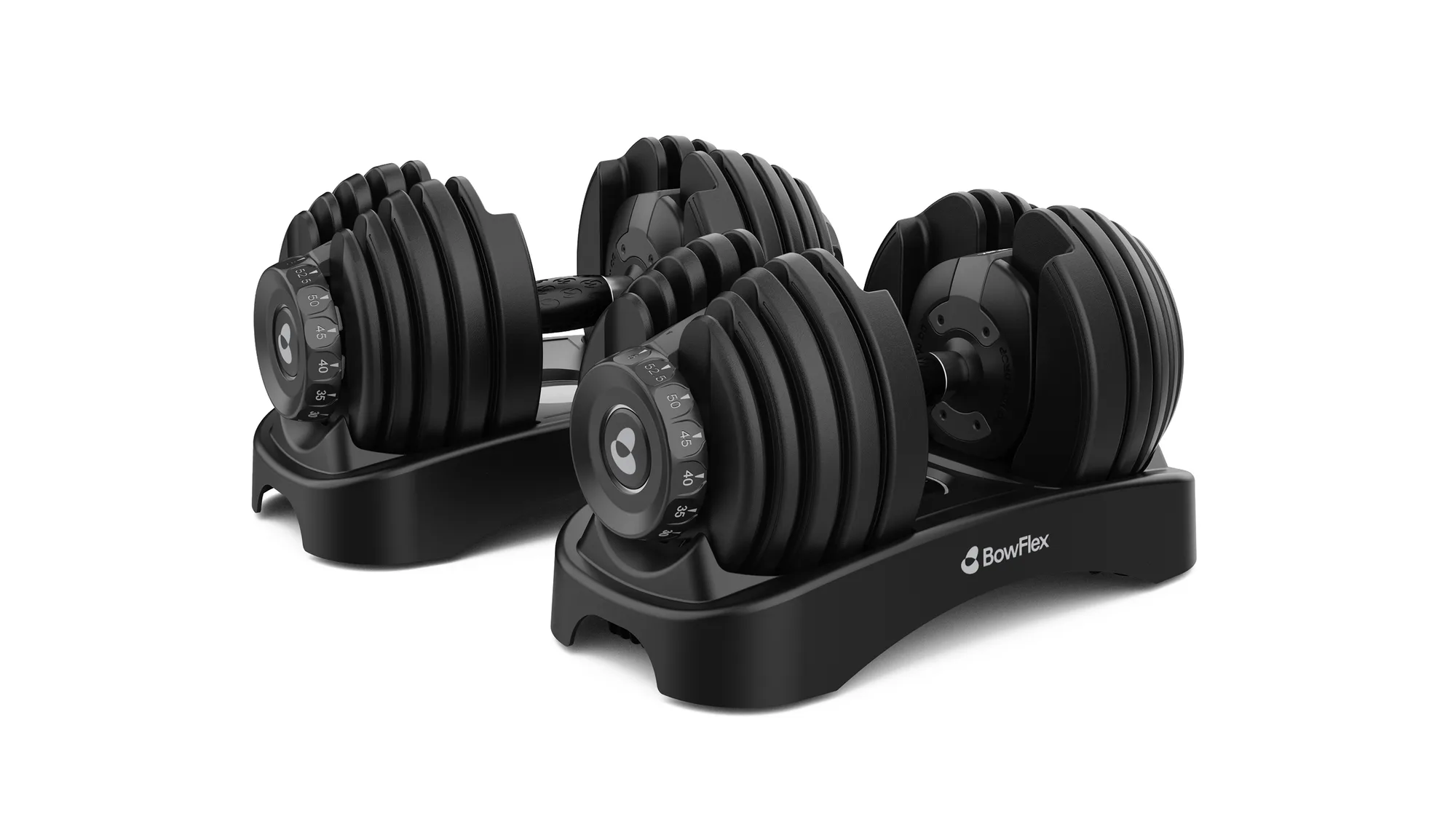
| Bowflex SelectTech 552 | 2 years on parts; accidental damage only under optional Protection+ plans | Not stated on the page |
What should I pay for second-hand home gym equipment?
Use the new price as a ceiling when judging an asking price, and do not treat any single figure as a used-market rate. On the site's indicative prices, checked in October 2026: PROIRON dumbbell pair around £90, PowerBlock Sport 24 around £205, Bowflex SelectTech 552 around £608, Concept2 around £990 and WaterRower Oak around £999. These are not used-market prices, and this guide does not quote any. A useful test is whether the saving still looks worthwhile once you lose the warranty and the returns window a new purchase would give you.
What should I check on each type of equipment?
Check the parts that move, wear or bear load, using the maker's own lists where one exists.
Fixed dumbbells and plates
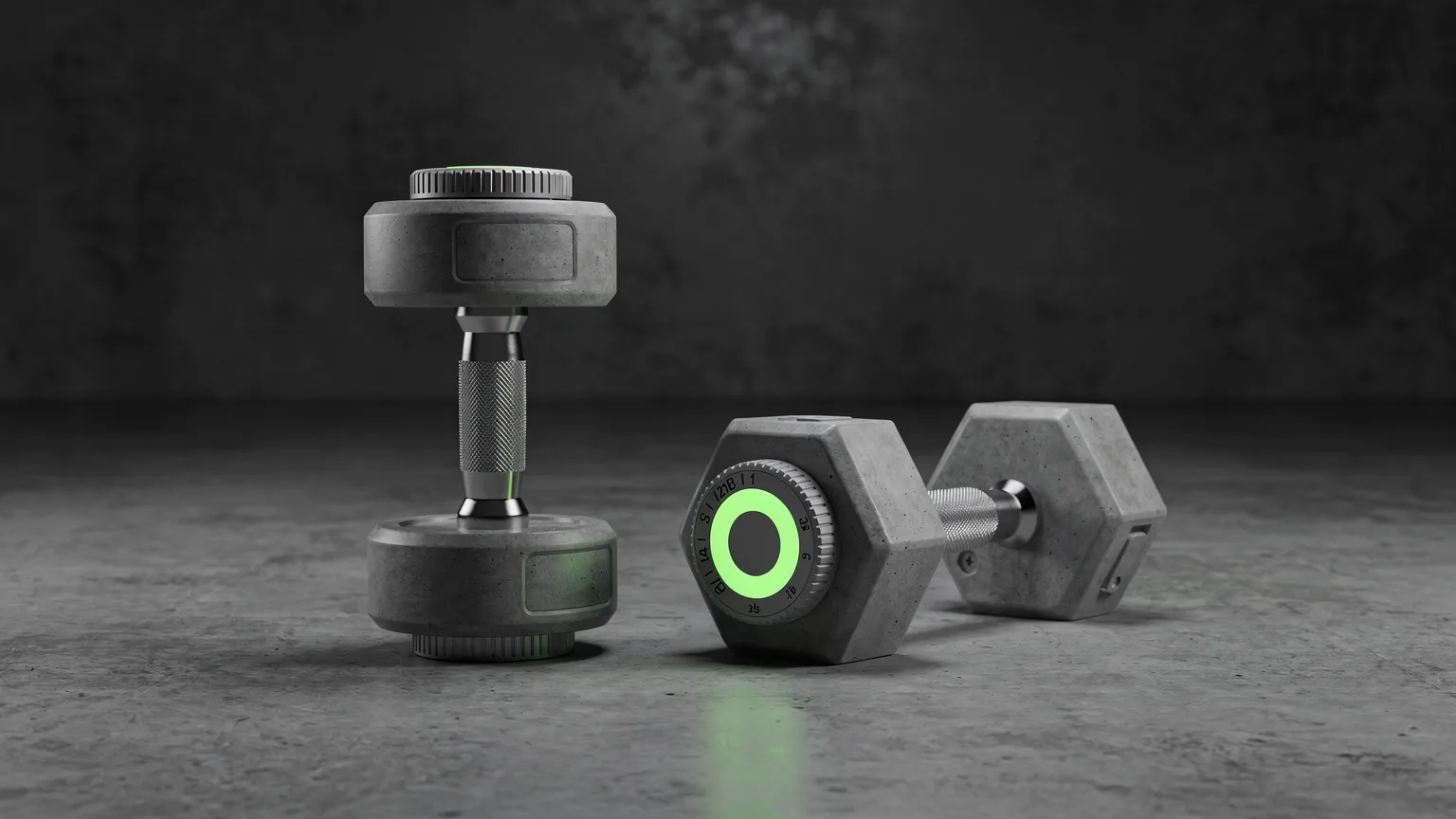
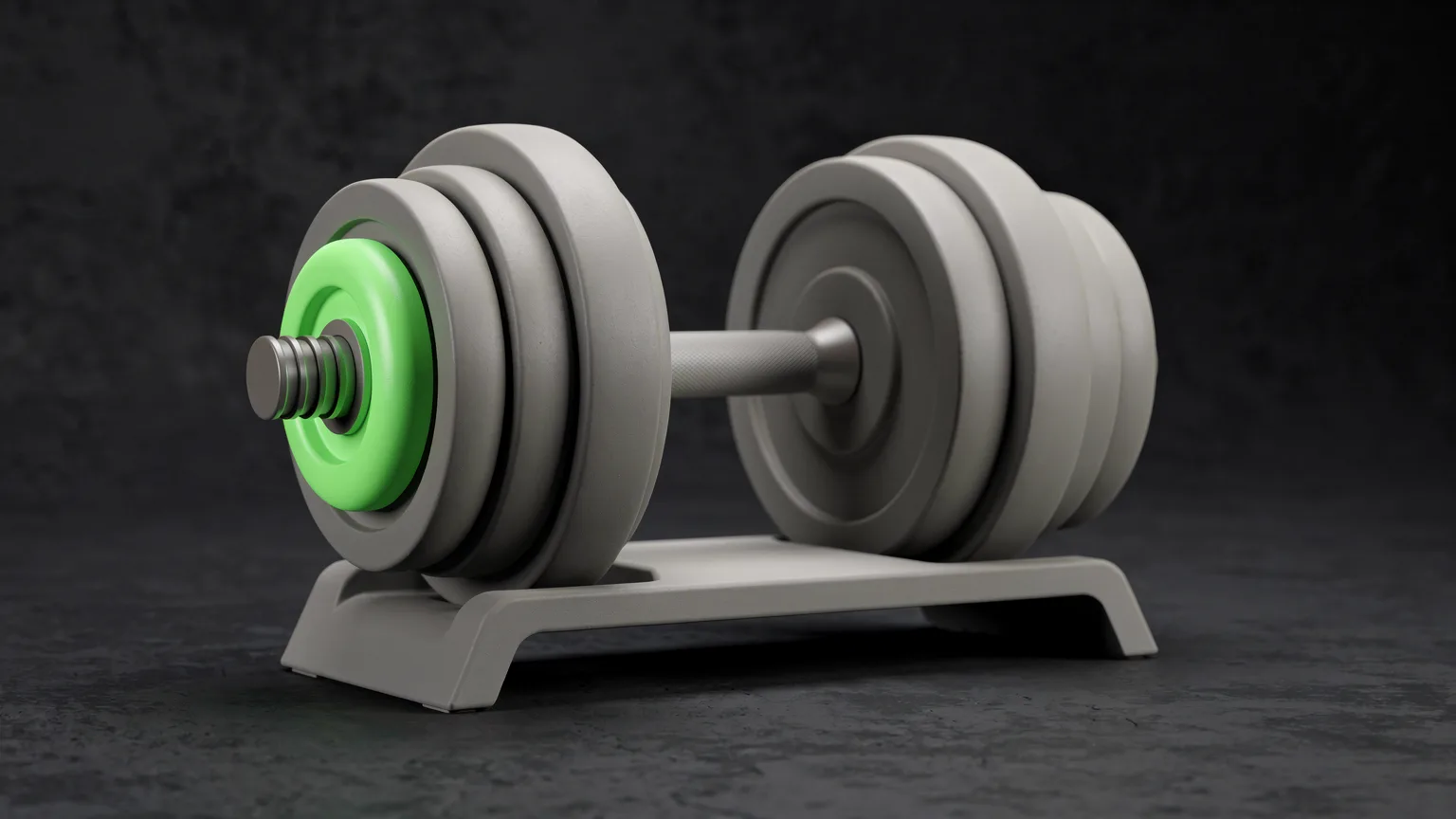
A fixed pair has no mechanism to wear. Check the weight yourself against the label if you can, because a seller's description is only as good as their scales. Rubber coating cracks and rounded or damaged edges are visible faults to look for. Our budget dumbbells guide compares new options.
Adjustable dumbbells
These have mechanisms, so ask to see every setting selected and released. Bowflex's page lists 15 settings per dumbbell with a locking system and notes that individual settings may vary from stated values due to manufacturing tolerances; PowerBlock lists eight selectable weights per dumbbell, 3 to 24 lb. Confirm each setting is available and that both dumbbells in a pair match. Check that the original storage tray is included: Bowflex lists storage trays as included, and its dimensions are 43 x 21.2 x 22.8 cm per dumbbell. See the adjustable dumbbells guide and Bowflex review for specifications.
Rowing machines
Concept2's Model D maintenance page gives a checklist you can use as an inspection guide. It says to look for stiff links in the chain, check the chain-handle connection (replacing it if the hole is elongated or the U-bolt is worn halfway through), confirm the handle returns fully on the shock cord, check that screws are tight, and check for dust inside the flywheel. It also says that using a machine with a worn or weakened part may injure the user and that only genuine parts should be used. Ask when the chain was last oiled; Concept2 states every 50 hours of use. For a water rower, WaterRower says to add two purification tablets every four to six months, so ask about the water's age and clarity. Moving one is a consideration: WaterRower lists the Oak at 29 kg dry and 46 kg filled, and recommends a 240 x 100 cm training area. Our maintenance guide summarises these schedules, and the rowing machine guide compares new models.
Racks, benches and barbell equipment
No maker inspection list was opened for these. Check that every fixing, safety arm or pin listed in the model's manual is present, and that nothing is bent or cracked. Because a rack protects you under load, buying a used one whose manual or parts list you cannot find is a risk; the power rack guide and safety tips explain what to look for.
How heavy are these items to collect and move?
Weigh up collection before agreeing a price, because a private sale usually means you arrange transport. On the makers' figures, the Concept2 RowErg weighs 26 kg with standard legs and separates into two pieces without tools, according to its product page. The WaterRower Oak is 29 kg dry and 46 kg filled, and has transportation wheels. A pair of Bowflex 552 dumbbells at their top setting of 23.9 kg each is about 47.8 kg of dumbbell load before the trays, by arithmetic. None of those figures includes packaging, so confirm the weight with the seller, and ask whether the item can be split for transport, as the manual will say. Without the manual, you cannot check that, which is another reason to ask for it.
What should I ask the seller?
- Is the full manual and all original parts included, and is there proof of purchase?
- How old is it and how much has it been used? For a Concept2 rower, hours of use matter because the maintenance intervals are counted in hours.
- Has anything been repaired or replaced, and with genuine parts?
- Can I see it working through its full range before paying?
What practical precautions should I take?
Inspect in person where possible. These are common-sense steps rather than sourced rules: bring someone to help lift heavy items, work out how you will transport it, and use a payment method that leaves a record. Be cautious of requests for payment before you have seen the item.
When is new the better choice?
Buy new if you want a warranty, which the maker pages above show is how new equipment is covered. Compare timing and prices in our buying-time guide and cost guide, and plan the budget with our budget home gym guide.
Who should skip second-hand?
Beginners who cannot yet judge whether a mechanism works, or anyone buying safety-critical equipment without its manual, may be better served by buying new with a returns policy.