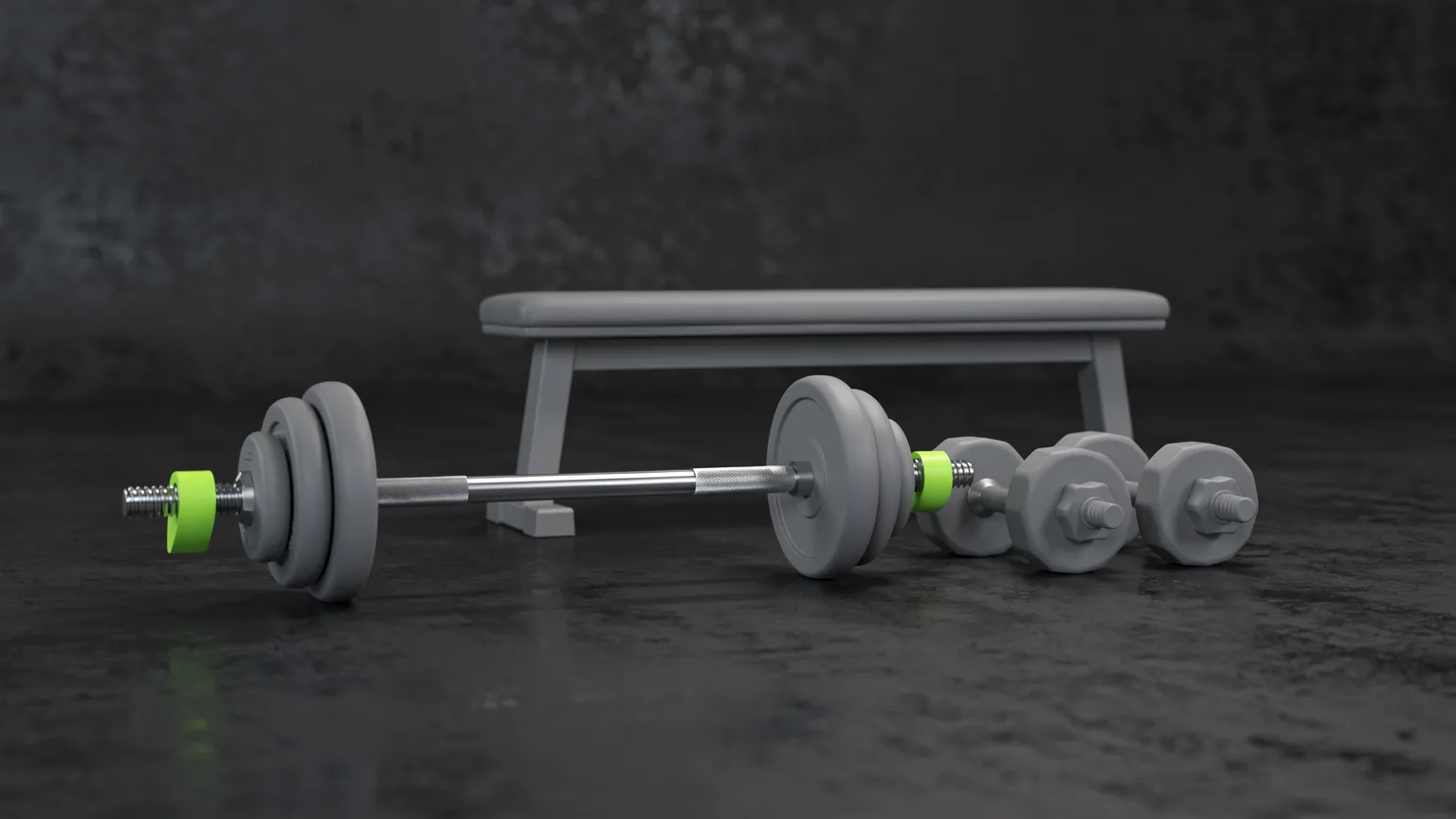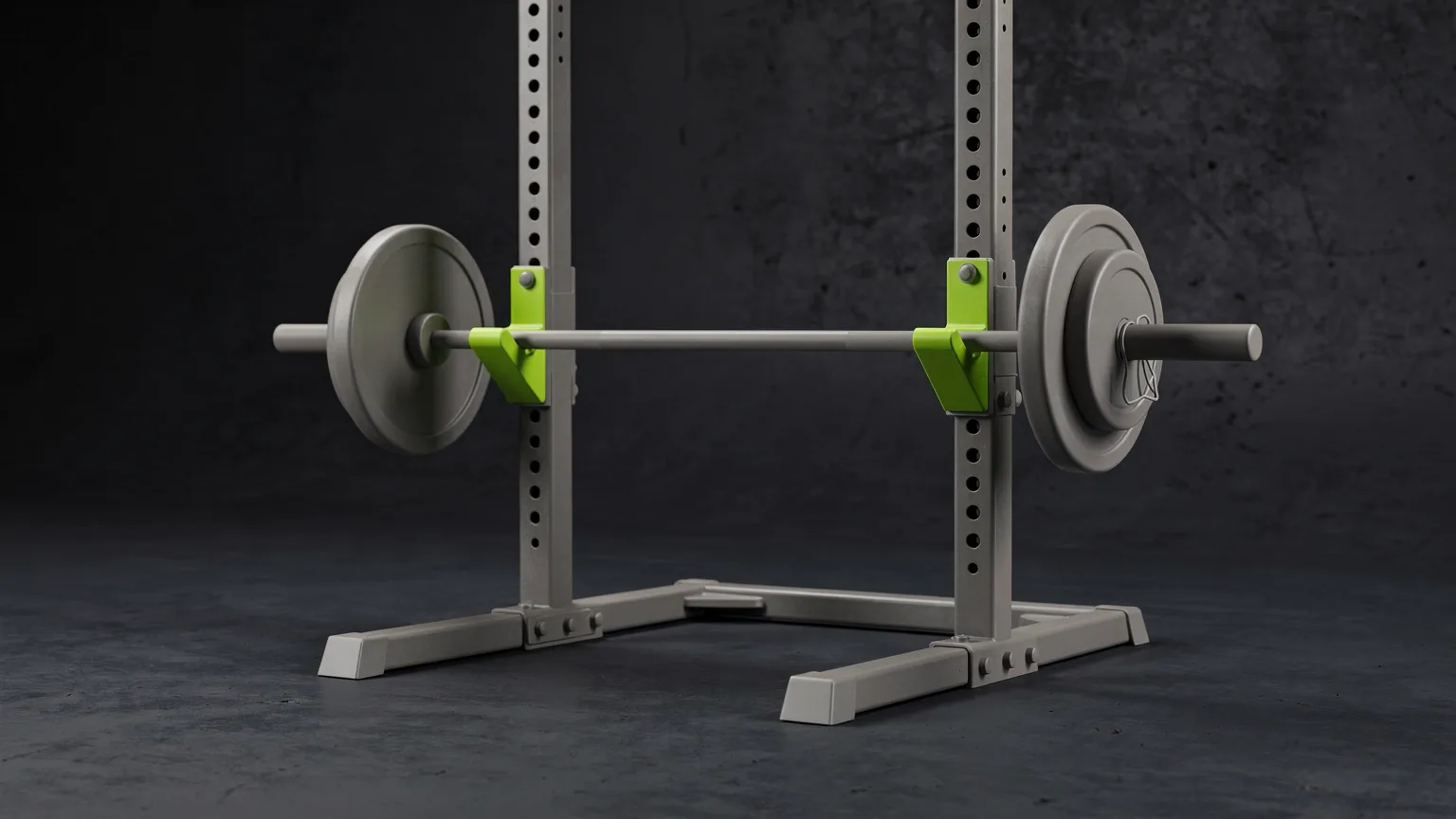
Home gym safety starts with the equipment and the room: follow the maker's instructions, keep the space clear, handle heavy items carefully and get qualified advice on your technique and health. Training alone removes the people who would notice a problem. This guide gathers published sources and gives no training or medical advice.
Is it safe to lift weights alone at home?
That depends on your experience, health, equipment and the exercise, and no web page can judge it for you. What can be sourced is a set of checks: follow the maker's instructions, keep the area clear, and ask a qualified coach or physiotherapist about your own technique and any health conditions. The table summarises the published guidance used in this guide.
| Check | Source | What it says |
|---|---|---|
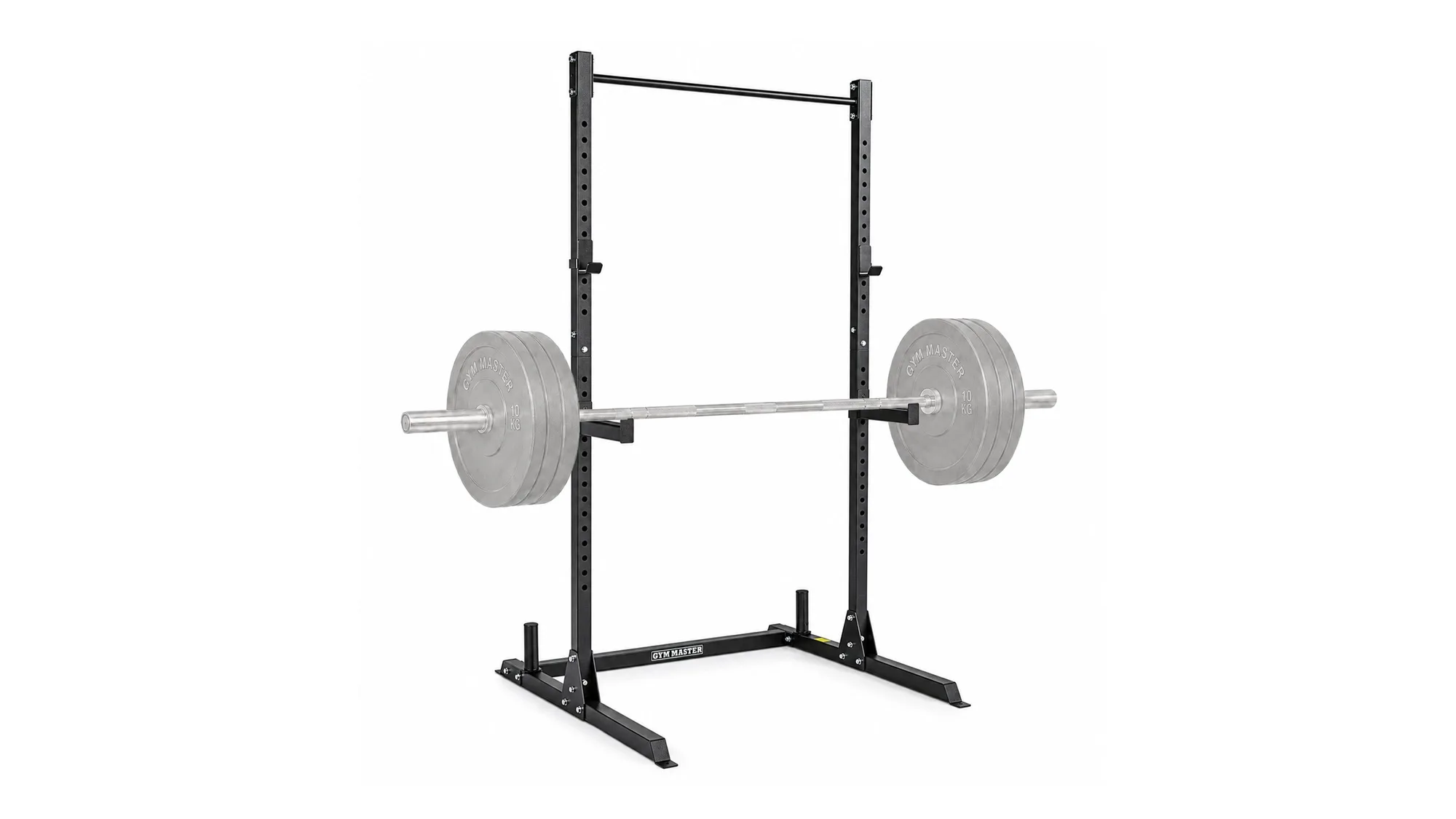
| Stated loads | Gym Master | J-cup and spotter max load 200kg; pull-up bar max load 120kg, for its adjustable squat rack cage |
| Fixing | Gym Master; Body-Solid | Gym Master strongly recommends bolting its cage to the ground; the SPR1000 must be bolted down when Jammer Arms are fitted |
| Manual handling | HSE | The law sets no specific weight limits; avoid hazardous handling so far as reasonably practicable |
| Exits | GOV.UK | Keep exits clear; think of a second escape route |
| Smoke alarms | GOV.UK | At least one on every level; test at least monthly |
| Heat | NHS | High risk of heat exhaustion during hot weather or exercise; heatstroke is an emergency |
| Before starting | NHS | See your GP first if you have not exercised for some time or have a health concern |
What do the maker's instructions say about loads and fixing?
Makers publish loads, assembly steps and fixing advice, and where a limit is published it is the number to work to. Where the maker is silent, ask before you buy.
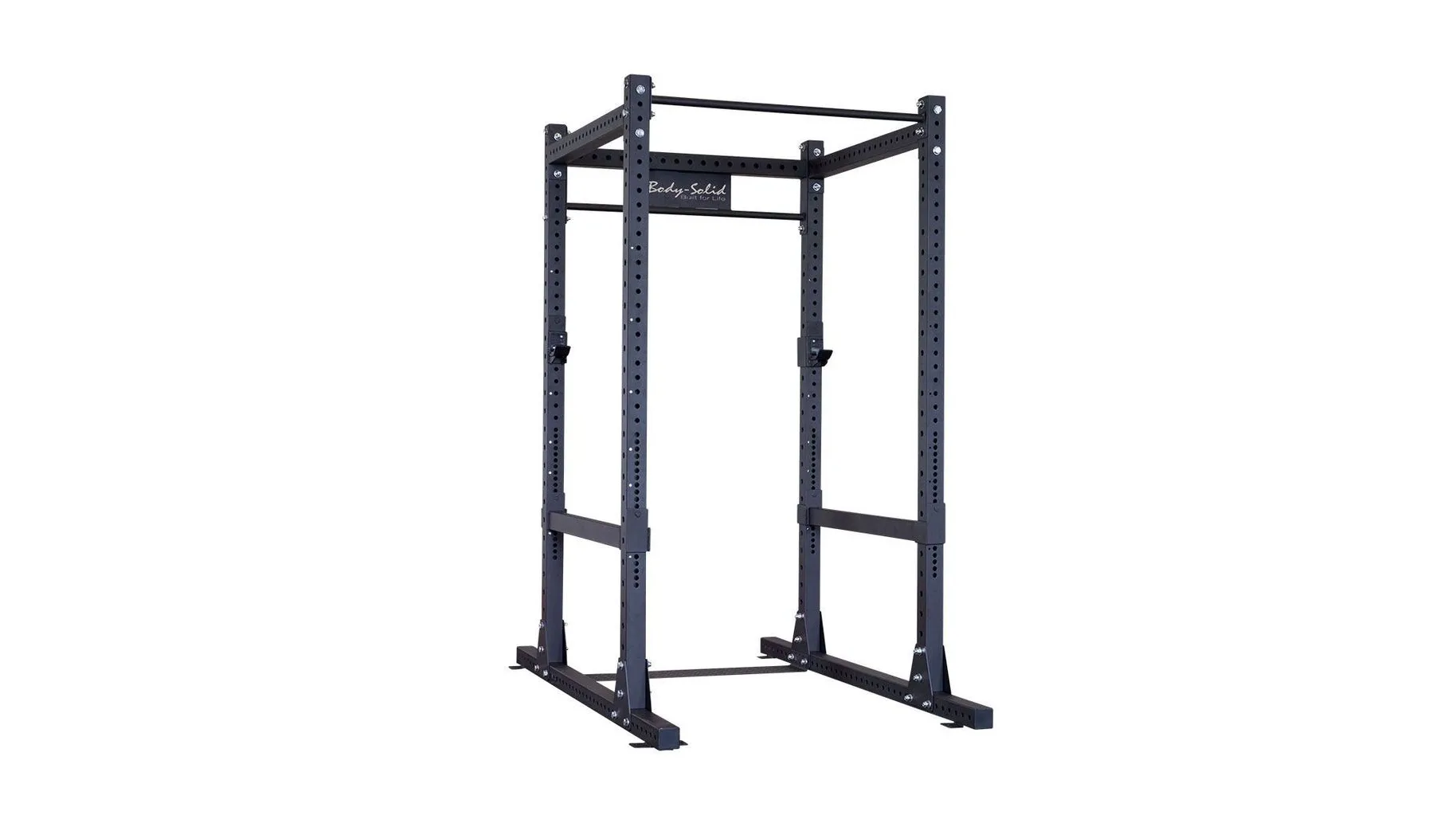
- Stated loads. Gym Master lists a J-cup and spotter max load of 200kg and a pull-up bar max load of 120kg for its adjustable squat rack cage. These are different figures for different parts. Body-Solid's SPR1000 data sheet lists a weight capacity of 1000lbs (about 454kg).
- Intended use. Gym Master states its rack is not suitable for commercial use; the Body-Solid SPR1000 is listed for commercial application. Match equipment to how it will be used.
- Assembly. Gym Master's page says assembly is required and instructions are included, and lists the tools needed (two 17mm spanners, one 14mm spanner, a 4mm Allen key), none of which are supplied. Follow the order and tightening instructions, and recheck fixings after first use if the manual says to.
- Fixing. If a rack should be fixed, a stable, level surface that can take the fixings matters; see the heavy-weights flooring guide.
What do rack safeties actually do?
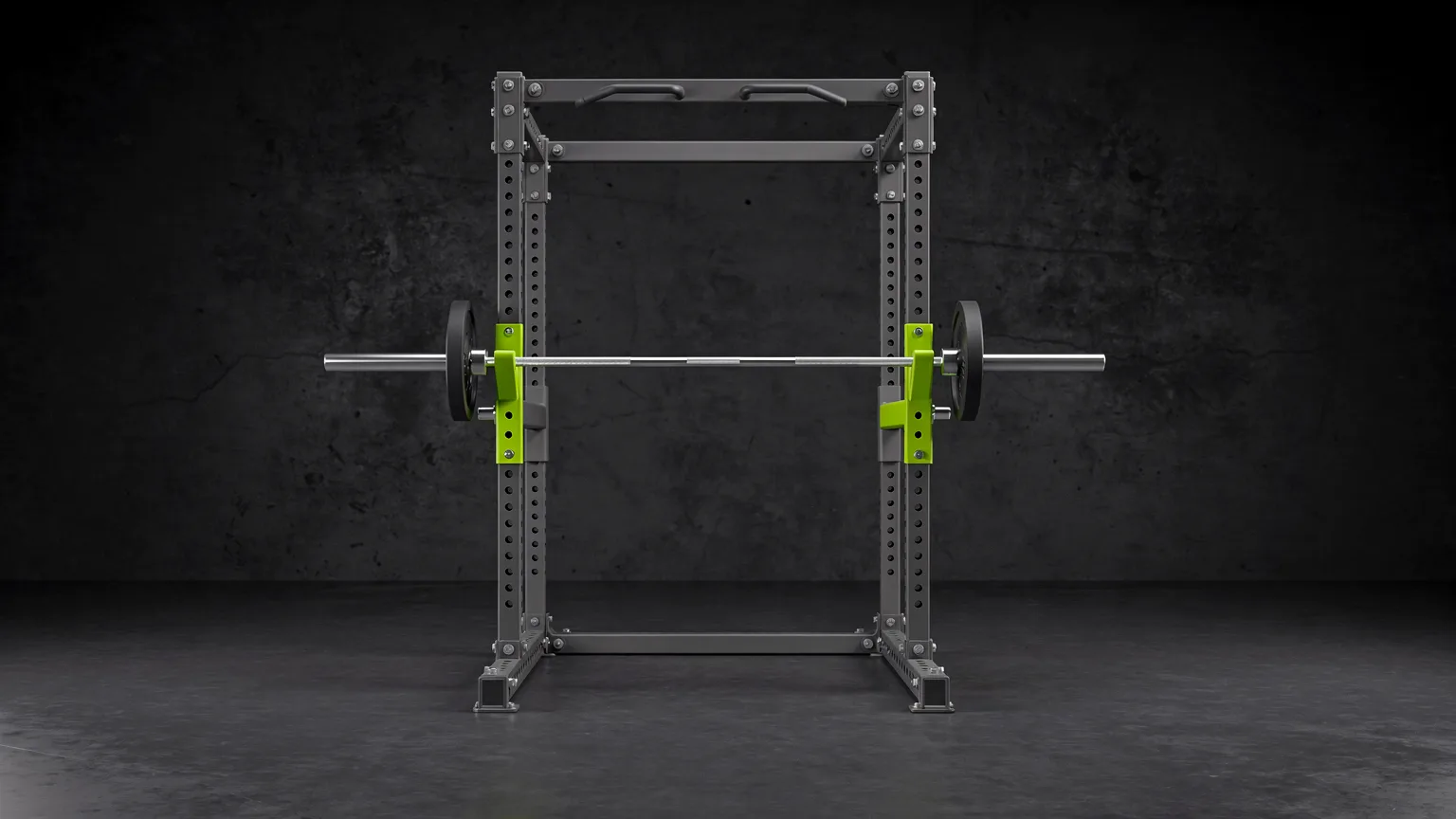
Safeties such as spotter bars or arms hold a loaded bar at set heights. The Body-Solid SPR1000 page lists two J-cup liftoffs and two safety spotter bars as included, with 1 inch hole spacing for the safety spotter bars. The Gym Master cage lists J-cups and spotters across 28 height settings from 45cm to 197.5cm, 5cm apart.
Whether they are set correctly for a given exercise is down to the user and the instructions, so read how the maker says to set them and confirm with a qualified coach, particularly if you are new to barbell exercises. The power rack guide and half rack comparison explain the differences between frames, and individual specifications appear in the Gym Master, Body-Solid and BodyPower Titan reviews.
Should a power rack be bolted down?
Follow the maker's manual. Gym Master strongly recommends bolting its squat rack cage to the ground and supplies anchoring bolts, and Body-Solid's page lists its optional Jammer Arms with the note that the SPR1000 must be bolted to the floor. If you rent, get the landlord's written agreement first.
How do I move heavy gym equipment safely?
Avoid unnecessary lifting, plan the route and ask for help. HSE says manual handling means transporting or supporting a load by hand or bodily force, including lifting, putting down, pushing, pulling, carrying or moving loads. Its overview says the law sets no specific weight limits, though weight is important, and it sets out three duties for employers: avoid hazardous manual handling so far as reasonably practicable, assess the risk of injury from handling that cannot be avoided, and reduce that risk as low as reasonably practicable. That guidance is aimed at employers, but the same thinking helps at home with plates, benches and rack parts.
How do I prepare the space?
- Keep it clear. Clear the area around the equipment of loose items. The storage ideas guide has layouts.
- Keep exits free. GOV.UK's fire safety guidance says to make sure exits are kept clear and to think of a second route in case the first is blocked.
- Fit and test alarms. GOV.UK says to fit at least one smoke alarm on every level of the home and test alarms at least monthly.
- Mind the sockets. The same page says to keep to one plug per socket where you can, and that an extension lead or adaptor has a limit on the amps it can take. Check this before plugging a treadmill into a shared lead.
- Check the floor. A level, firm surface suits free-standing equipment; see the flooring guide.
- Check the ceiling. Compare the maker's stated height with your ceiling height, allowing space above for movement. Gym Master lists 220.5cm for its cage.
How does heat affect training at home?
The NHS says there is a high risk of heat exhaustion or heatstroke during hot weather or exercise. It suggests drinking more cold drinks when active, wearing light, loose, light-coloured clothing and avoiding extreme exercise. Heat exhaustion symptoms include tiredness, dizziness, headache, nausea or vomiting, heavy sweating with pale or clammy skin, muscle cramps and strong thirst; heatstroke includes hot skin that is not sweating, confusion and fast breathing, and the NHS says to call 999 for signs of heatstroke.
Indoor spaces such as garages can be hot or poorly ventilated; the ventilation guide covers planning.
Do I need to see a doctor before starting?
The NHS advises seeing your GP first if you have not exercised for some time or have a medical condition or health concern, and checking that the activity and its intensity suit your fitness. It recommends muscle-strengthening activity on at least 2 days a week. A GP, physiotherapist or qualified coach can advise on your own limits; see the beginner's guide for what to buy first and how to progress at home.
How should I maintain equipment?
Inspect equipment against the maker's maintenance instructions and stop using anything damaged until it is checked or replaced. The maintenance guide sets out a general routine; follow the manual for specifics.
When should I not train alone?
If you have a health condition, are returning after illness or injury, or are unsure how to use an item, get qualified advice first. If the manual gives a maximum load, do not exceed it. If you cannot tell whether an item is safe for what you plan to do, ask the maker.