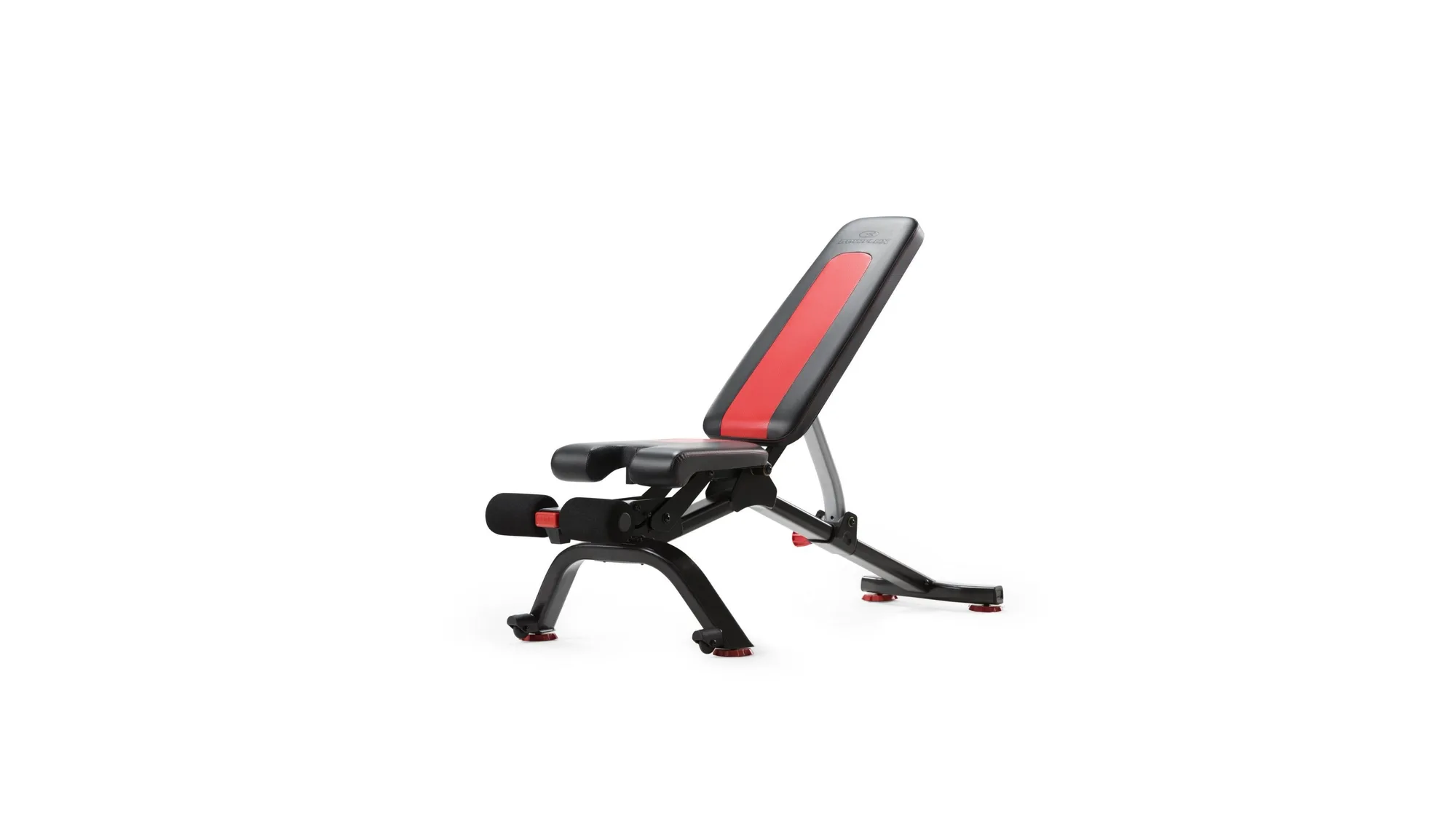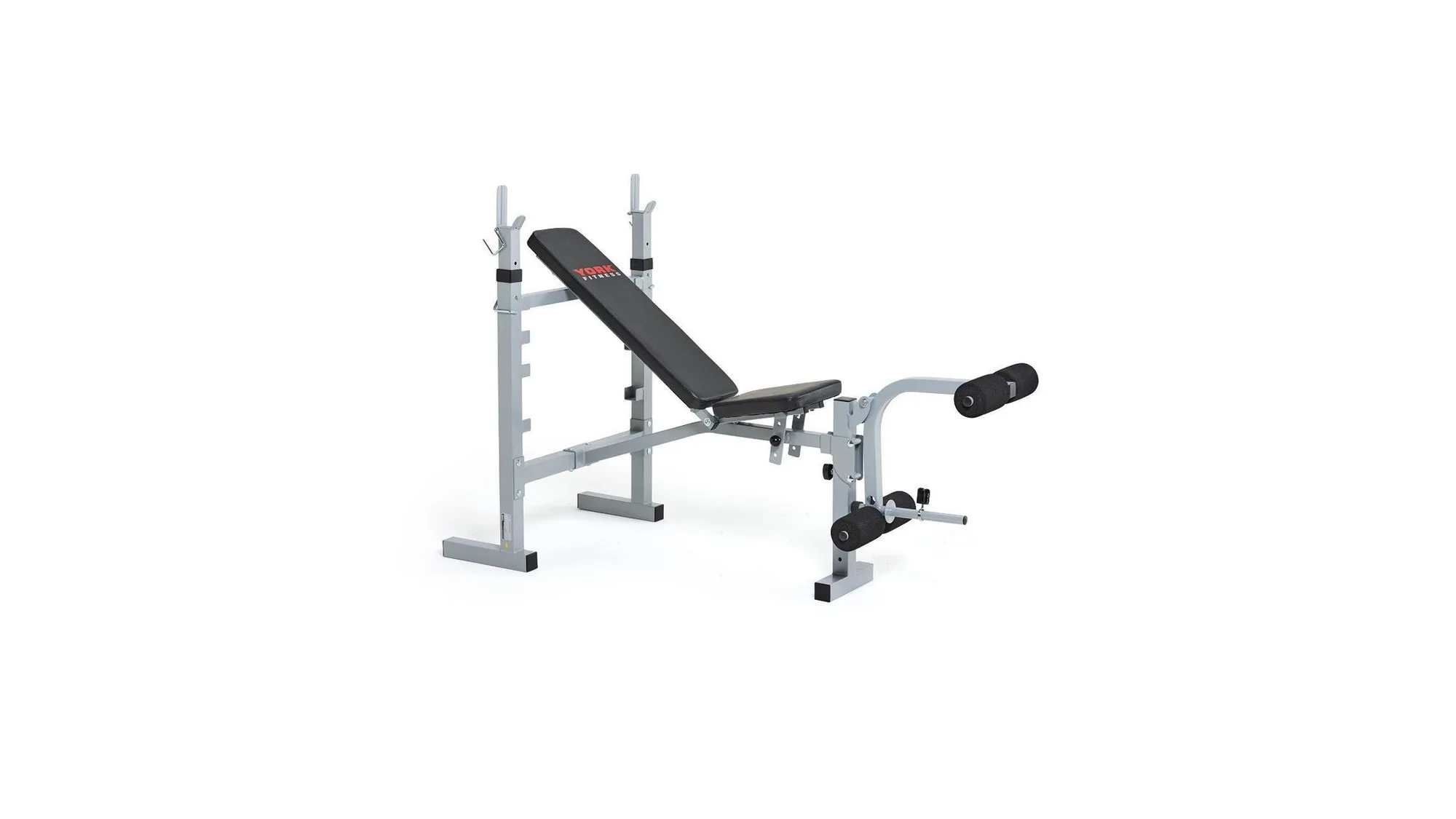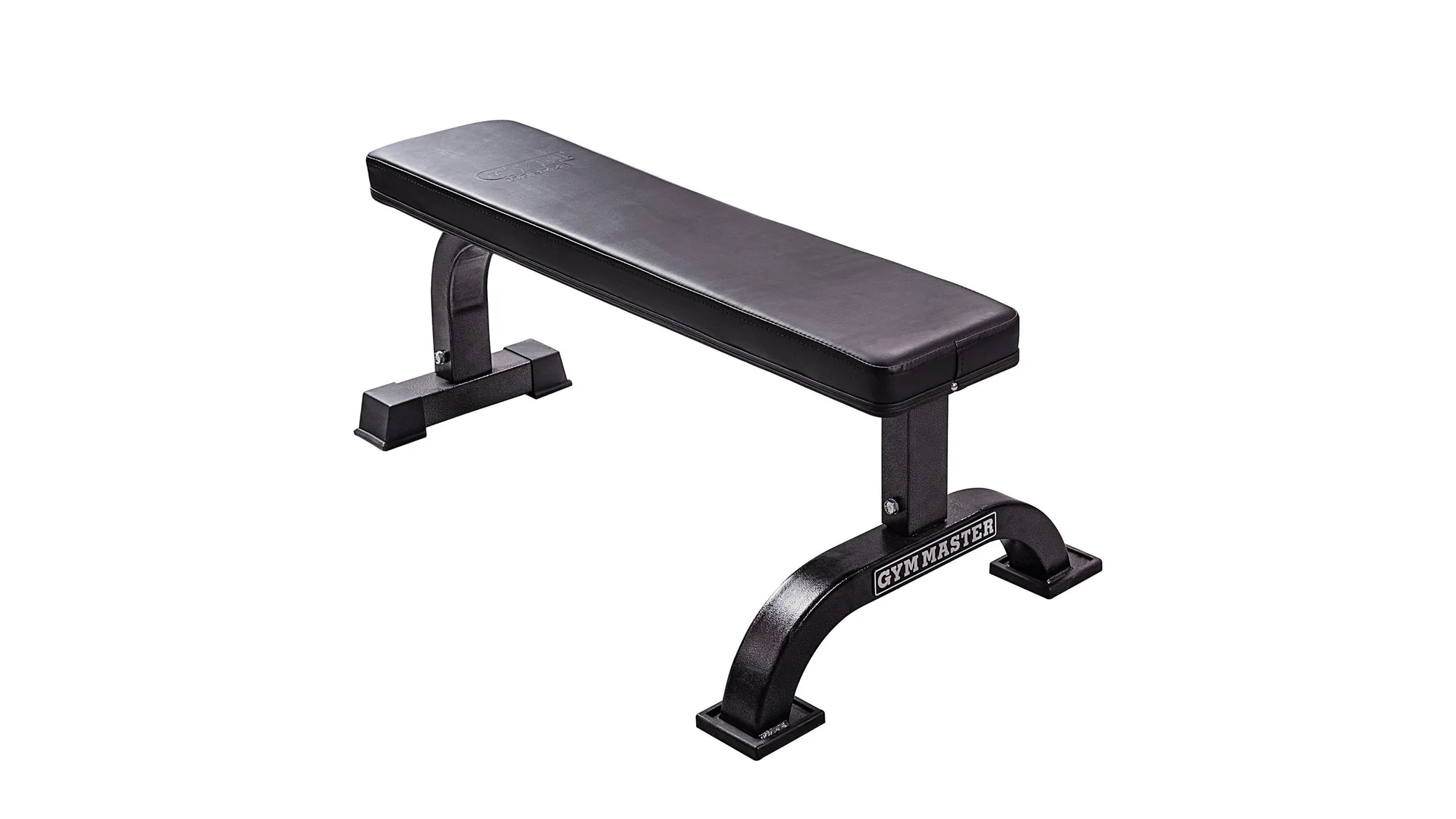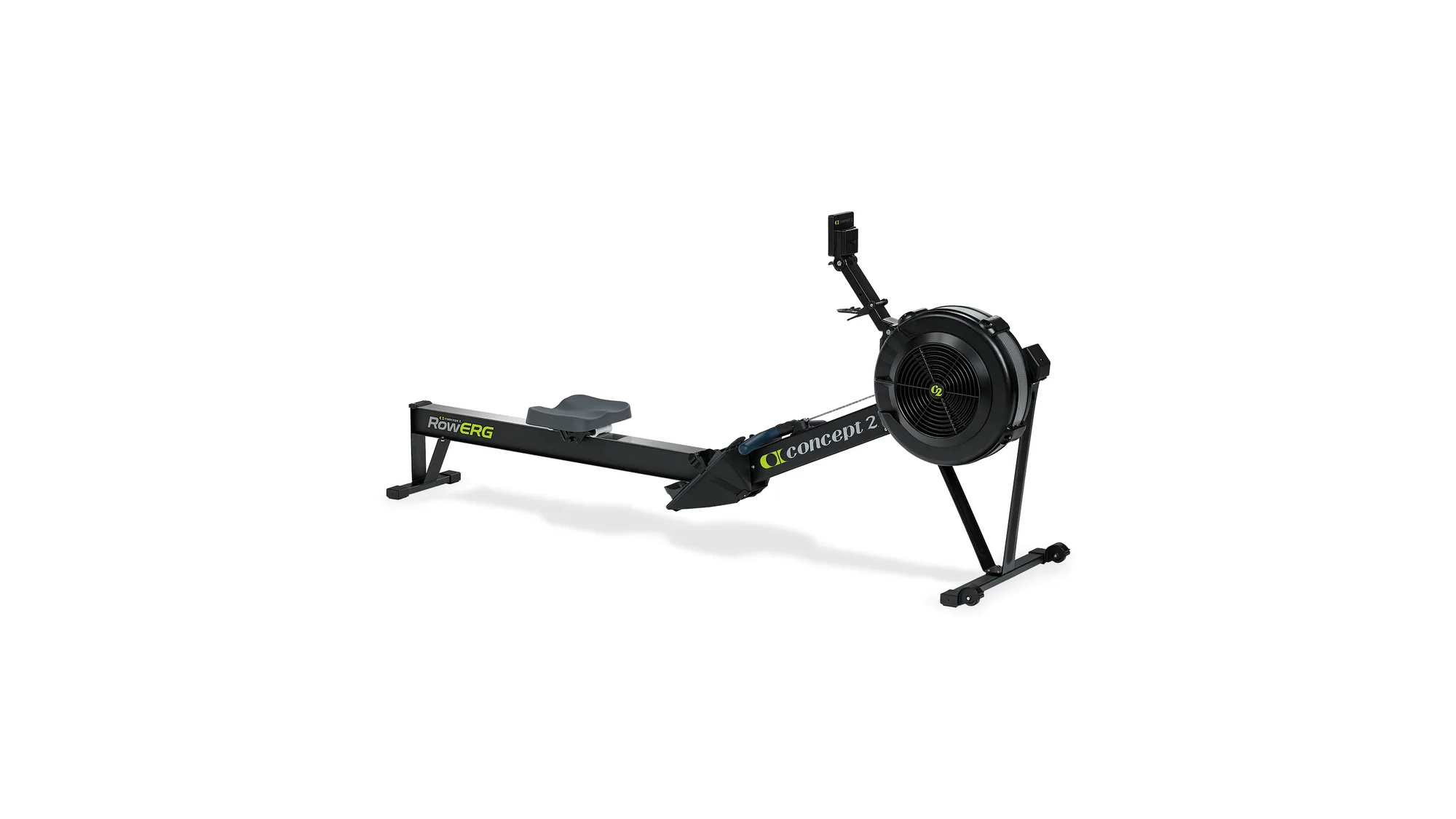
Weight capacity is the most the maker says the product will carry, and it may or may not include you. Bowflex's 5.1S bench lists 600 lb (272 kg) as user plus load, York's 530 bench lists 200 kg including the user, and Concept2 gives two different figures for one rower. Always check which number a maker is quoting.
This guide draws on maker pages from Bowflex, York Fitness, GYM MASTER, Concept2 and Reebok, plus the British Standards Institution's listing of the stationary training equipment standard. Nothing here was tested, and the site does not test products. Figures are what each maker states for its own product.
What does weight capacity mean on home gym equipment?
It is a limit set by the maker, but the label hides at least three different meanings. Which one applies changes how much you can safely add to a bench or rack.
- User weight only: the heaviest person the maker says the machine is built for. Treadmills, exercise bikes and rowing machines are usually described this way.
- User plus load: your body weight and the barbell or dumbbells together, as on a weight bench.
- Load only: the weight of the bar, plates or stack, with the user not counted. Racks and cages usually quote it this way.
Some pages mix the wording. The GYM MASTER flat weight bench page says its steel construction allows a max user weight of 310 kg in the introduction, yet the specification list shows only "Large Max Load: 310kg" and does not say whether the user is included. When a page is vague, treat the lower reading as the safe one, or ask the maker.
How do makers state capacity on benches?
Benches show the most variation, because the same number can mean different things. The table sets out what each maker's page says.
| Product | Figure stated | What the maker's wording covers |
|---|---|---|
| Bowflex 5.1S Stowable Bench | 600 lb (272 kg) | "Max. User + Load Weight" |
| York Fitness 530 barbell bench | 200 kg | "Max User Weight 200 KG (including User)"; leg developer separately "Max 40kg load" |
| GYM MASTER heavy duty flat bench | 310 kg | "max user weight" in the introduction, "Large Max Load" in the specification list |
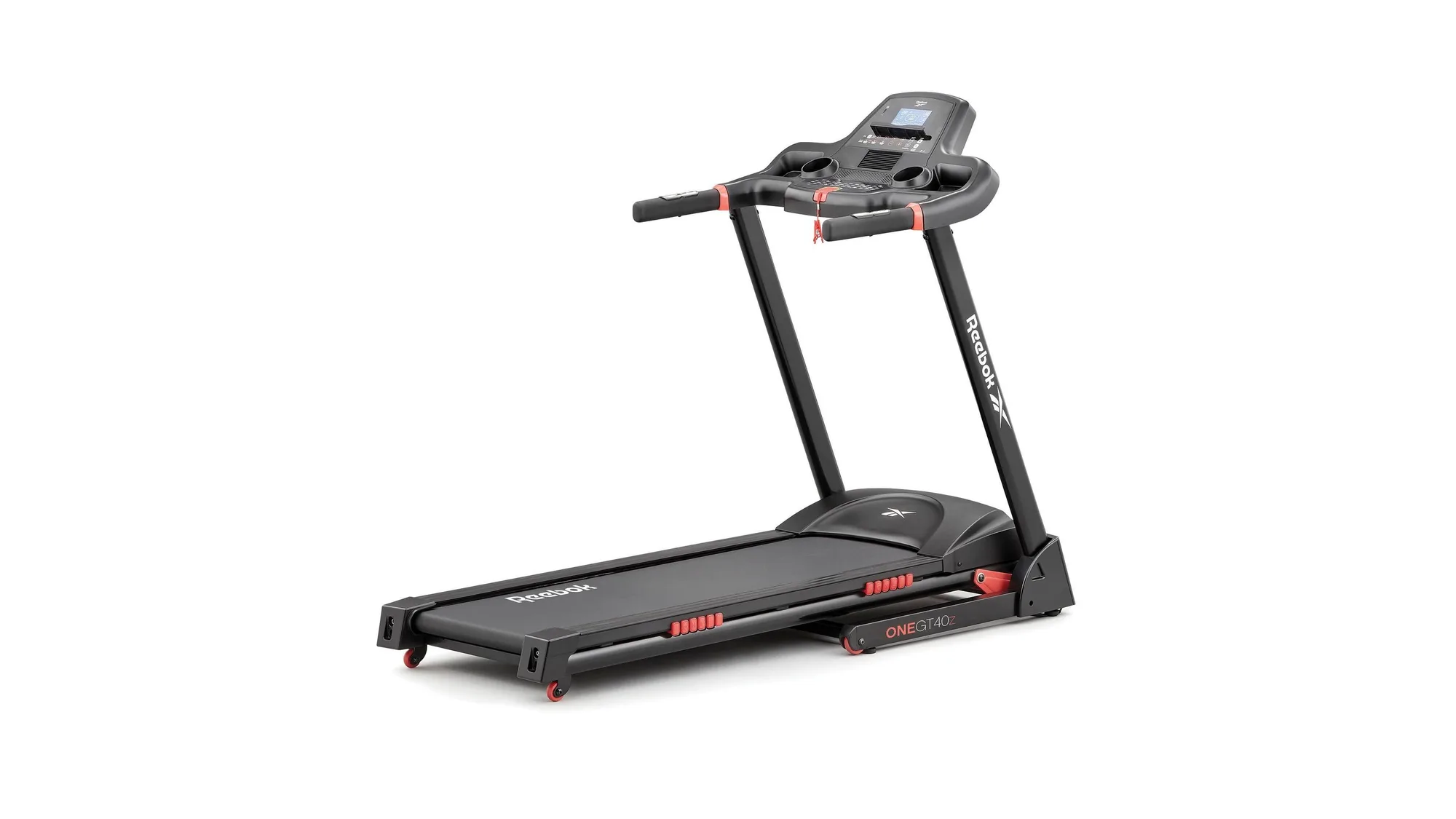
| Reebok GT40z folding treadmill | 110 kg (17.3 stone) | "Maximum user weight" |
| Concept2 RowErg | 227 kg and 135 kg | 227 kg "as tested by Concept2"; 135 kg "as tested per" EN 20957-7 |
The Bowflex and York pages are the clearest because they say the figure includes the user. Both are single numbers for the whole bench, not a separate limit for the bar.
How much can you actually load on a bench?
Subtract your own weight from the combined figure. The sum is simple arithmetic, not a measured limit. On the Bowflex 5.1S, a 90 kg user leaves 182 kg of the 272 kg for the bar and plates. On the York 530, the same user leaves 110 kg of the 200 kg.
That 110 kg also has to cover the bar itself, and the loaded weight is not the only force. Pressing, re-racking and getting into position all put extra load through the frame, and the makers do not publish how much margin sits behind their figures. Stay well under the stated number rather than at it. Our weight bench comparison lists the capacity each maker publishes, and the reviews of the Bowflex 5.1S and York 530 go through their specification pages.
Two further points apply. York lists its leg developer attachment at 40 kg, which is a separate limit from the bench figure. And if a bench has a built-in barbell rack, the rack posts may have their own limit that the page does not state. Where the page is silent, do not assume.
Why does Concept2 list two figures for one rower?
Concept2's RowErg page gives a maximum user weight of 500 lb (227 kg) as tested by Concept2, and 300 lb (135 kg) as tested per European Stationary Fitness Equipment Testing Standard EN 20957-7. The page does not explain why the two ratings differ.
The useful lesson is that a capacity can depend on the test behind it. The 135 kg figure refers to a published standard. British Standards Institution lists the general part of that family, BS EN ISO 20957-1, as Stationary training equipment - Part 1: General safety requirements and test methods, with a publication date of 28 November 2023. The BSI page gives only the title and a pointer to a preview, so this guide does not summarise what the standard requires.
If you are close to the lower figure, ask the maker which test the number comes from before relying on it. The two numbers are set out in our Concept2 RowErg review.
Is the user weight limit on a treadmill or bike a hard limit?
Treat it as one. Reebok's page for the GT40z folding treadmill states a maximum user weight of 110 kg (17.3 stone) and nothing else about user weight. It does not say what happens above that, whether the motor, deck or frame sets the limit, or how it was tested.
The limit also is not the whole story for heavier users. A treadmill, bike or rower carries your weight through a different path than a bench does, and a maker's limit may reflect the frame, the seat or the warranty terms. The pages opened for this guide do not break that down, so the reliable course is to read the manual for your model and contact the maker if you are near the figure. Our treadmill buying guide and the Reebok GT40z review cover what else is on the maker's specification page.
How to check capacity before you buy
- Find the figure on the maker's own page, not a retailer summary. Retailer listings can differ from the maker, and some products in this catalogue have no maker page at all.
- Read the wording: user only, user plus load, or load only.
- Add your body weight to the heaviest load you expect to use, then leave room above it.
- Check for separate limits on attachments, such as a leg developer, pull-up bar or barbell hooks.
- If two figures appear, ask which test each came from.
- If the page does not state a capacity, treat that as a gap and contact the maker. Do not assume a number.
For wider safety checks before you lift alone, see home gym safety tips. This is general information, not medical or engineering advice; follow the maker's instructions and ask a qualified professional about your own circumstances.