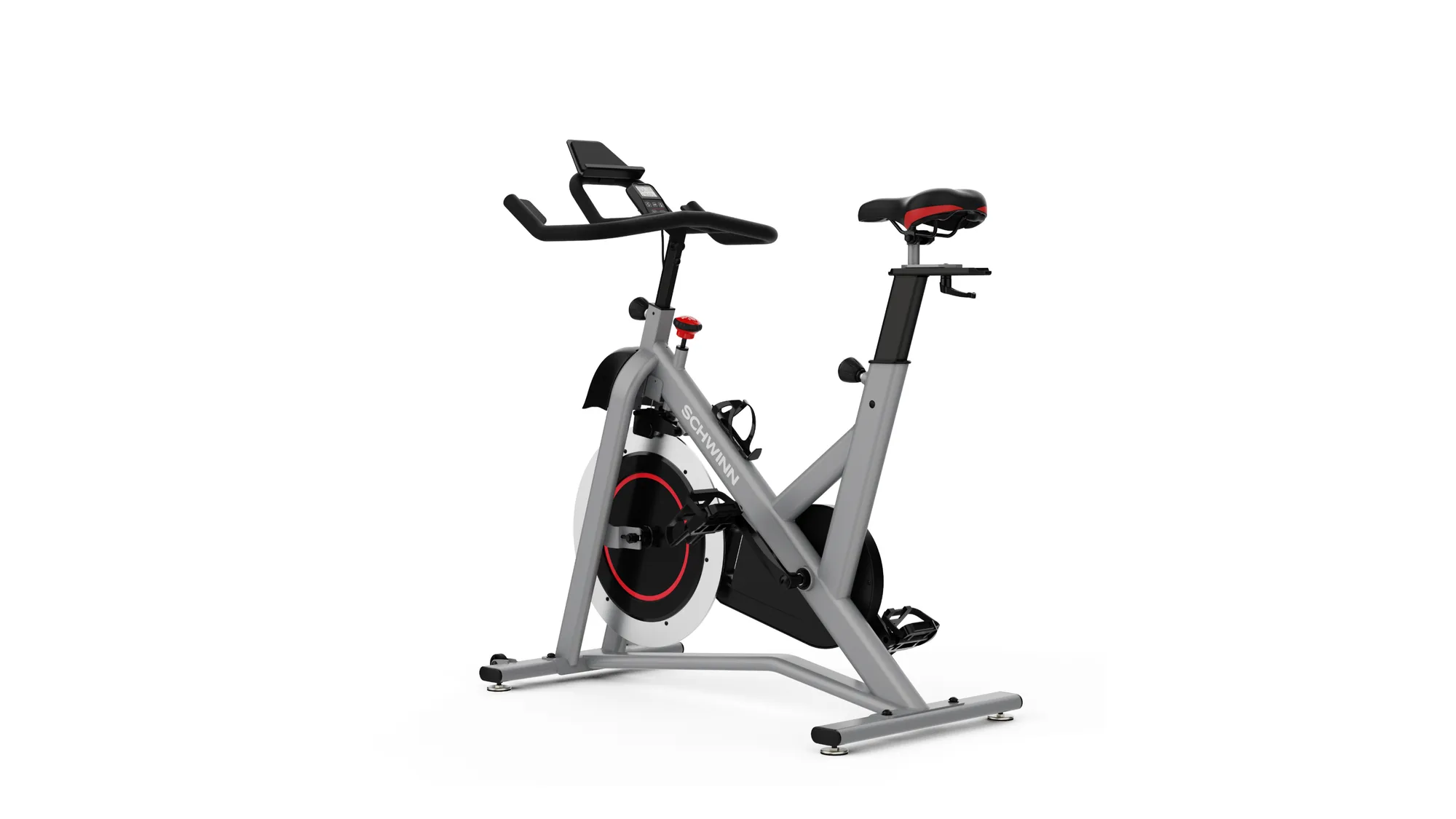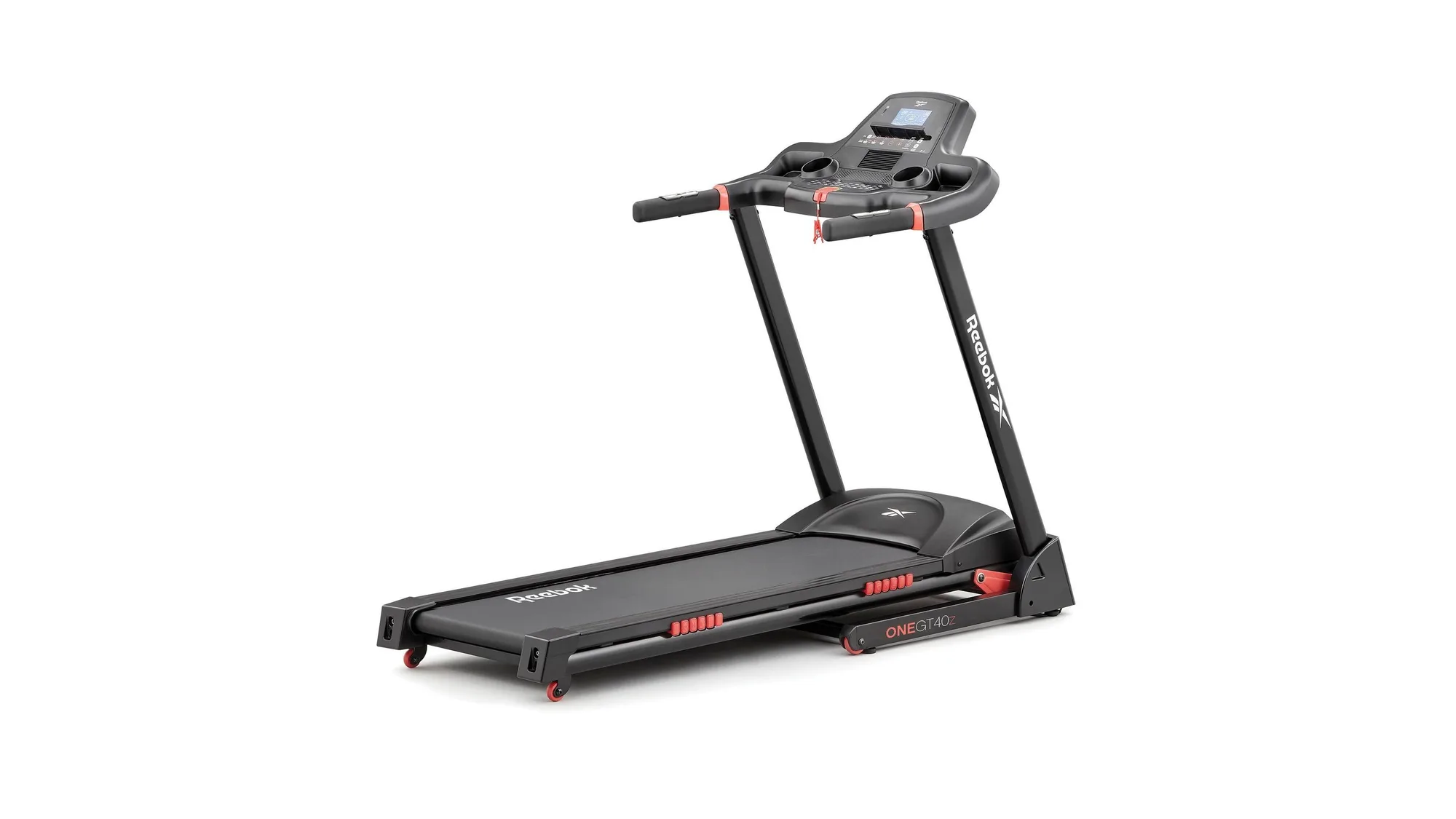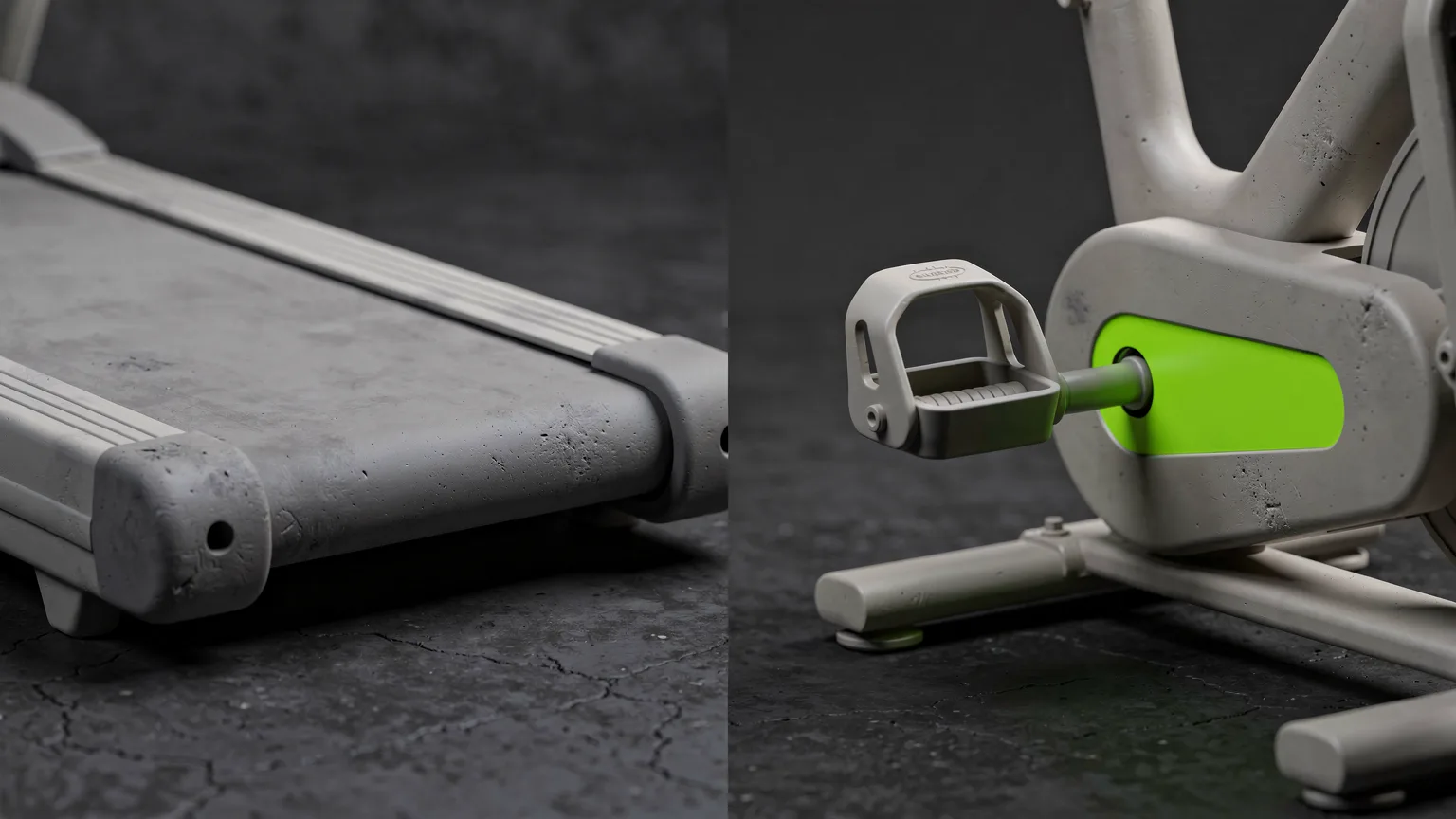
In a treadmill vs exercise bike choice for home cardio, pick a treadmill for walking or running on a moving belt and a bike for seated cardio in less floor space. On published figures the Schwinn IC3.5 bike needs about 115.5 x 53.5cm; the Reebok GT40z treadmill sets up at 168 x 77cm.
Neither is better as measured fact. This comparison is based on published specification, price and fit for a stated use. This site does not test products.
Which counts towards the NHS activity target, a treadmill or an exercise bike?
Both can, and neither is better. The NHS recommends adults aged 19 to 64 do at least 150 minutes of moderate activity or 75 minutes of vigorous activity a week, spread over 4 to 5 days or every day. The NHS lists brisk walking and riding a bike at a steady pace as moderate activity, and running and riding fast or on hills as vigorous, and notes that cycling and walking can fall into either category depending on effort.
The NHS talk test separates the two: with moderate activity you can still talk but not sing, and with vigorous activity you can say only a few words before pausing for breath. Which machine is easier to keep up depends on the activity you already like, how much room you have, and any physical limits you have discussed with a GP or physiotherapist.
Specification comparison
| Model | Type | Size | Max user weight | Notable specification | Indicative price |
|---|---|---|---|---|---|
| Schwinn IC3.5 | Indoor cycling bike | 115.5 x 53.5 x 109cm; 38.3kg assembled | 113kg | Electronic resistance, dual-sided SPD and toe-cage pedals, adjustable seat and handlebars | No price checked |
| Reebok GT40z | Folding treadmill | Set-up 168 x 77 x 134cm; folded size not published | 110kg | 1-18km/h, 12 electronic incline levels, 130 x 45cm running area | around £549 (checked Oct 2026) |
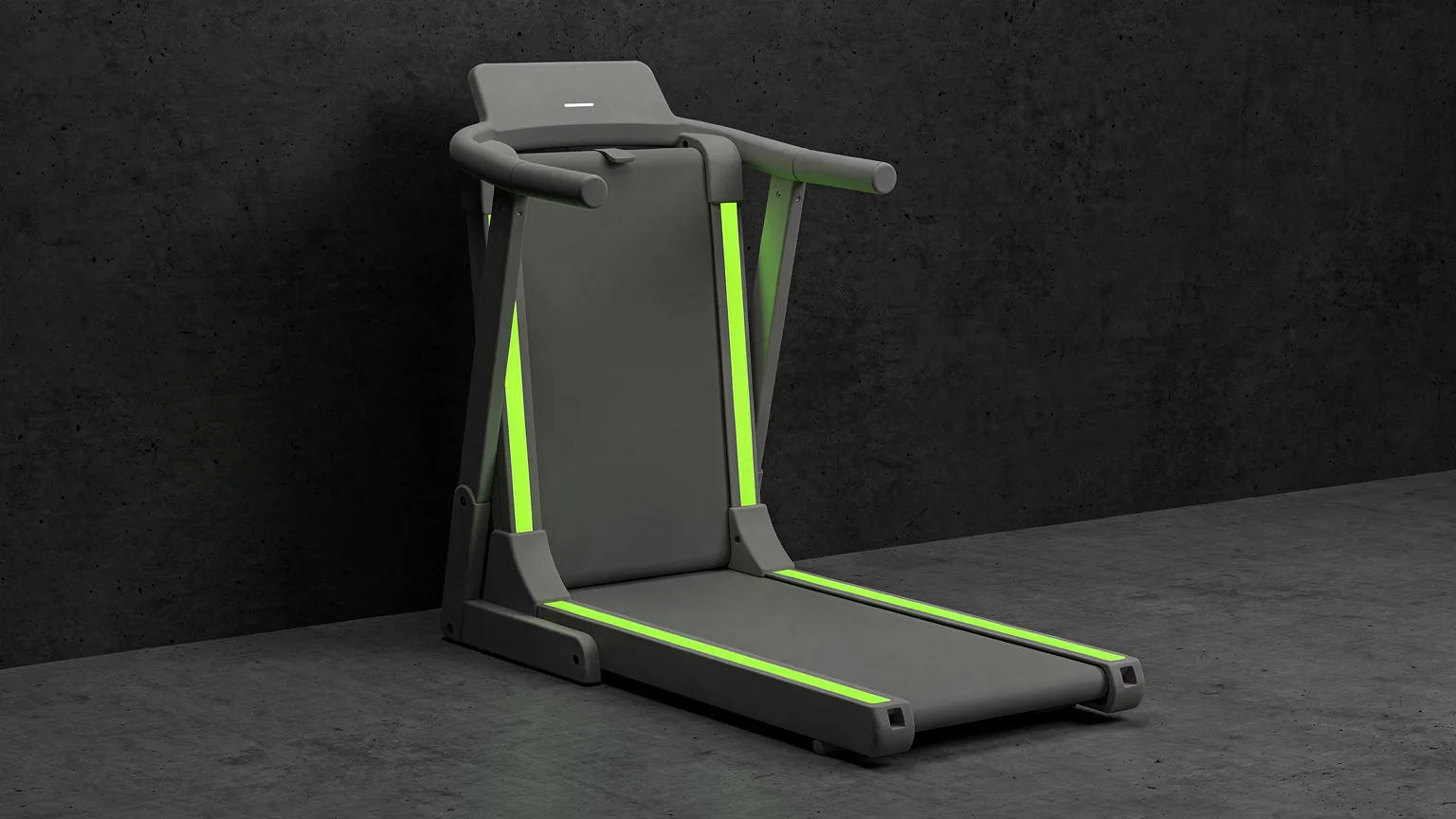
| MERACH MR-T12B2 | Folding treadmill | Folded 65 x 70 x 125cm; set-up size not published | 136kg | 0.8-12km/h, 15% auto incline, 108 x 41.9cm belt | around £329.99 (checked Oct 2026) |
The Schwinn figures come from Schwinn's own page. Details on each machine are in the Schwinn IC3.5 review, the Reebok GT40z review and the MERACH MR-T12B2 review.
Which needs less floor space, a treadmill or a bike?
On published figures the Schwinn IC3.5 bike is 115.5 x 53.5cm, against a set-up size of 168 x 77cm for the Reebok GT40z treadmill. Multiplying the stated sizes gives about 0.62 square metres for the Schwinn and about 1.29 square metres for the Reebok when set up (reasoning from the maker figures, with clearance still needed around either).
The MERACH folds to about 0.45 square metres, but its set-up size is not published, so its in-use footprint cannot be compared. If floor area is the main limit, a bike generally occupies less in use, while a folding treadmill can recover space between sessions. The Schwinn lists transport wheels and weighs 38.3kg assembled; Reebok and MERACH publish no machine weight. See home gym storage ideas for ways to stow equipment.
Which is gentler on the joints?
A bike is seated, so body weight is carried by the saddle and handlebars rather than through the legs on every stride, while treadmill walking and running is weight-bearing. That is general reasoning, not medical advice, so ask a GP or physiotherapist if you have joint concerns.
Reebok states that ONE Series cushioning on the GT40z helps soften the impact of each stride, and MERACH lists a 5-layer belt with six silicone shock-absorbing pillars. Both are maker descriptions with no published impact figures. The NHS advises seeing a GP before starting a running plan if you have health worries.
What is the maximum user weight on these machines?
Schwinn lists 113kg for the IC3.5, Reebok lists 110kg for the GT40z and MERACH lists 136kg for the MR-T12B2. Check the figure against everyone who will use the machine. Schwinn does not list a user height range on the page opened, so check seat and handlebar fit with the maker's manual if riders differ in height.
Can I use apps like Zwift on both?
Yes, on the models compared. Schwinn lists Zwift and Kinomap compatibility for the IC3.5, along with Bluetooth heart rate, partial FTMS and JRNY and Peloton integrations, with separate digital subscriptions required. Reebok lists Zwift, Kinomap and the Reebok Console App for the GT40z, and MERACH lists the Merach app, Kinomap, Zwift, Apple Health and Google Fit for the MR-T12B2.
Reebok's and MERACH's pages do not say whether any app needs a paid plan, so check the terms of the apps you want before buying.
Incline, resistance and pedals
The treadmills offer a gradient: Reebok lists 12 electronic incline levels and MERACH a 15% auto incline. The Schwinn has no incline; its intensity comes from electronic resistance, which Schwinn describes as 50 levels adjustable across a 0 to 100 range (elsewhere on the site it mentions 100 levels, so confirm before buying).
The Schwinn's dual-sided pedals take SPD clips on one side and toe cages on the other, so riders who want clipped-in cycling need compatible shoes (reasoning from the pedal description). This site cannot say which form of exercise a given person will prefer.
Which suits which situation?
- Small room, seated cardio: the specification favours a bike such as the Schwinn IC3.5. More bikes are compared in the best exercise bike guide and the under £300 guide.
- Walking or jogging at home: a treadmill matches the activity. The MERACH has the higher stated user weight (136kg) and a stated folded size; the Reebok lists a higher top speed.
- Fast running: of the machines here, the Reebok's stated 18km/h is the highest top speed with a verified source. See the best treadmill guide and the folding treadmill guide.
- Older users or limited mobility: read the seniors exercise bike guide and ask a GP first.
Starting from scratch
If you are new to running, the NHS Couch to 5K plan takes 9 weeks or longer, with 3 runs a week and rest days in between, and says the runs can be done on a treadmill. The NHS suggests supportive running shoes and seeing a GP first if you have any health concerns. The Reebok adds 36 pre-set programmes, 3 user-defined and 3 target programmes on a 5-inch LCD console, according to Reebok's page.
A bike has no equivalent beginner plan on the NHS pages opened here, so a bike buyer would follow the 150-minute weekly target instead. The NHS also says strength activities on at least 2 days a week are separate from those aerobic minutes, so neither machine covers that on its own. Both routes need the maker's safety instructions followed.
What to check before buying
- Maximum user weight against everyone who will use the machine: 113kg (Schwinn), 110kg (Reebok), 136kg (MERACH).
- Power and plug: Schwinn's page says the bike plugs into a wall outlet on a 110V or 220V circuit with the cord included, so confirm the UK plug and supply with the retailer.
- Warranty: Schwinn and Reebok do not list one on the pages opened; MERACH states 24 months.
- Room height and floor clearance, plus noise for neighbours; see the noise guide.
- Safety instructions in the maker's manual.
Who should skip both?
If you only want occasional gentle activity, outdoor walking or cycling needs no machine and the NHS guidance applies equally. If cost matters, the home gym cost guide sets machines against other options. Indicative prices were around £549 for the Reebok and around £329.99 for the MERACH (checked Oct 2026). No price was checked for the Schwinn.