A home gym equipment checklist for strength training starts with dumbbells, kettlebells or bands and a protected floor. A bench, then a rack, are additions for when your exercises need them. Tick off only what you will use, and check each item's published dimensions and limits before buying.
What is the minimum equipment for strength training at home?
The minimum is some form of adjustable resistance, such as dumbbells, kettlebells or resistance bands, plus a protected floor area and clear space. The NHS says adults aged 19 to 64 should do muscle-strengthening activities on at least 2 days a week that work all the major muscle groups: legs, hips, back, abdomen, chest, shoulders and arms.
Its examples include lifting weights, using resistance bands and bodyweight exercises such as push-ups and sit-ups, and it says to work to the point where you need a short rest before repeating the activity. It also says to see your GP first if you have not exercised for some time. Nothing in the guideline requires a rack or a barbell, so treat those as choices rather than requirements.
The checklist, tier by tier
Tier 1: the minimum
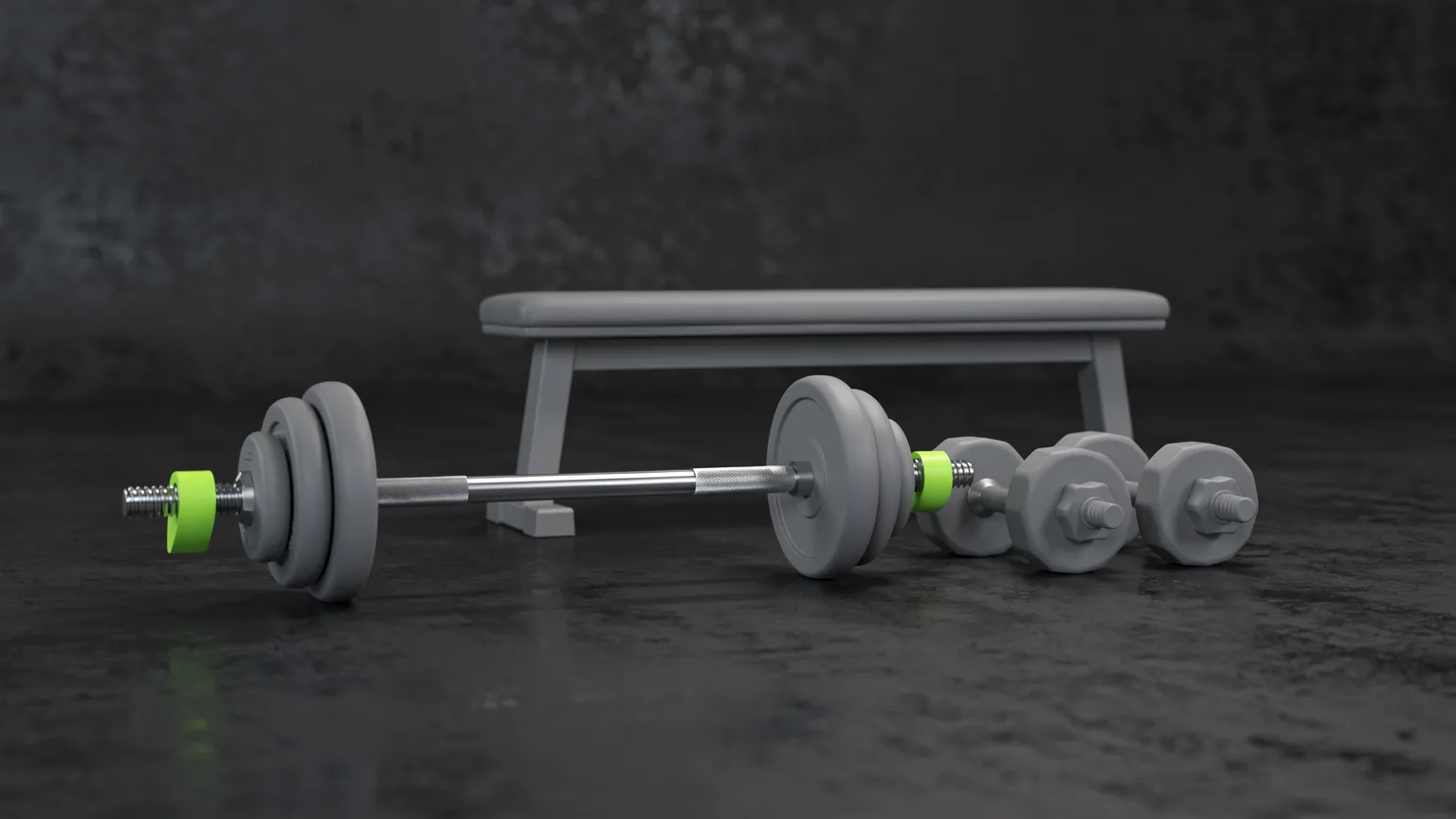
- Resistance you can adjust. Adjustable or fixed dumbbells, kettlebells or bands. Compare in the adjustable vs fixed dumbbells guide, the kettlebell guide and the resistance bands guide.
- Floor protection. A mat or tiles under the training area; see the flooring guide.
- Clear space. Measure it, and plan where the kit is stored; see home gym storage ideas.
Tier 2: support for more exercises
- A bench. Needed for supported presses and rows. Check the maker's stated load limit, adjustment positions and folded size. See the weight bench guide and folding bench guide.
- A pull-up or chin-up option. Some racks include a bar; check the stated load and ceiling clearance.
- A progression plan. Equipment is only useful if you can increase the challenge over time; see how to progress at home.
Tier 3: barbell training
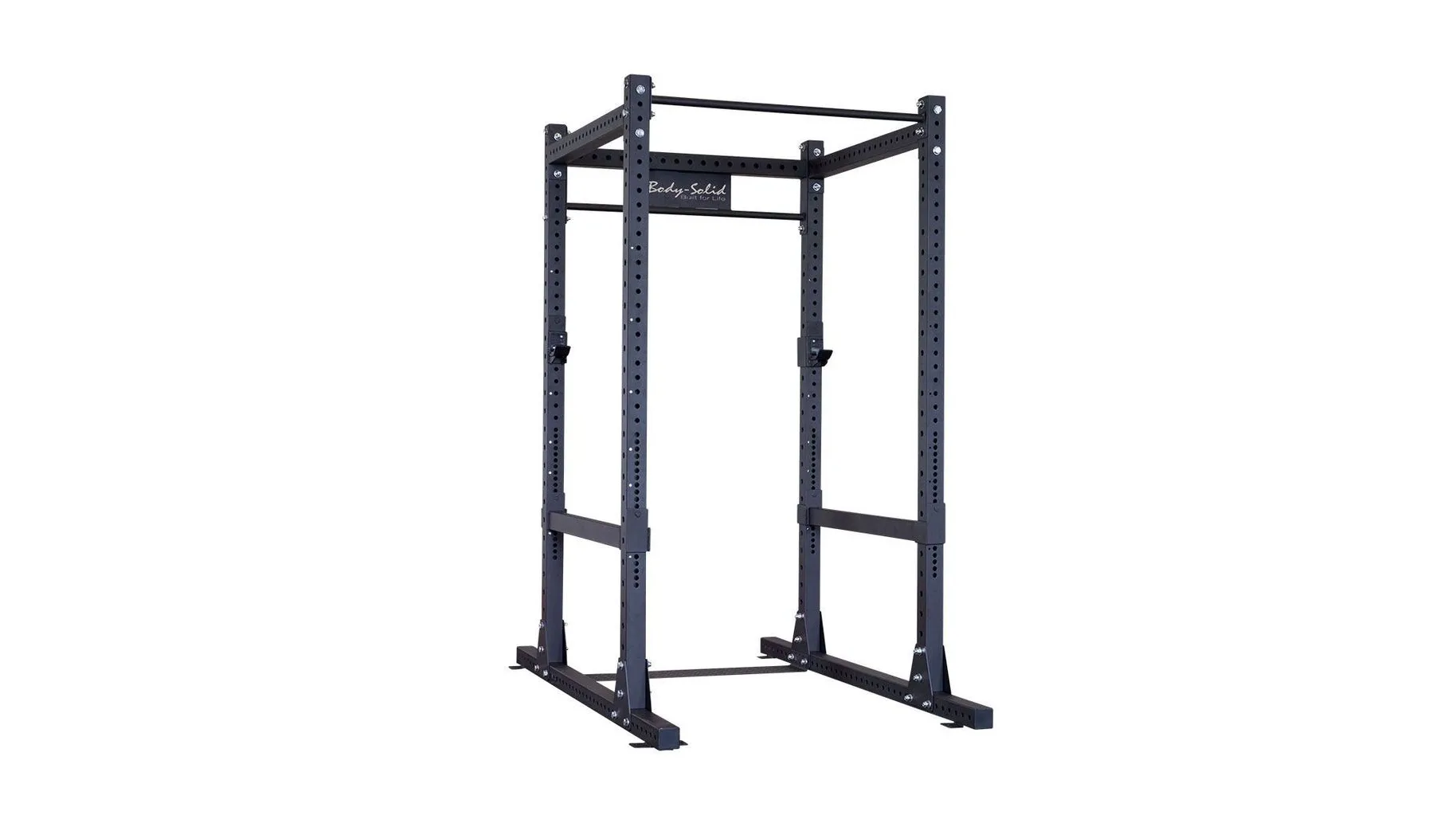
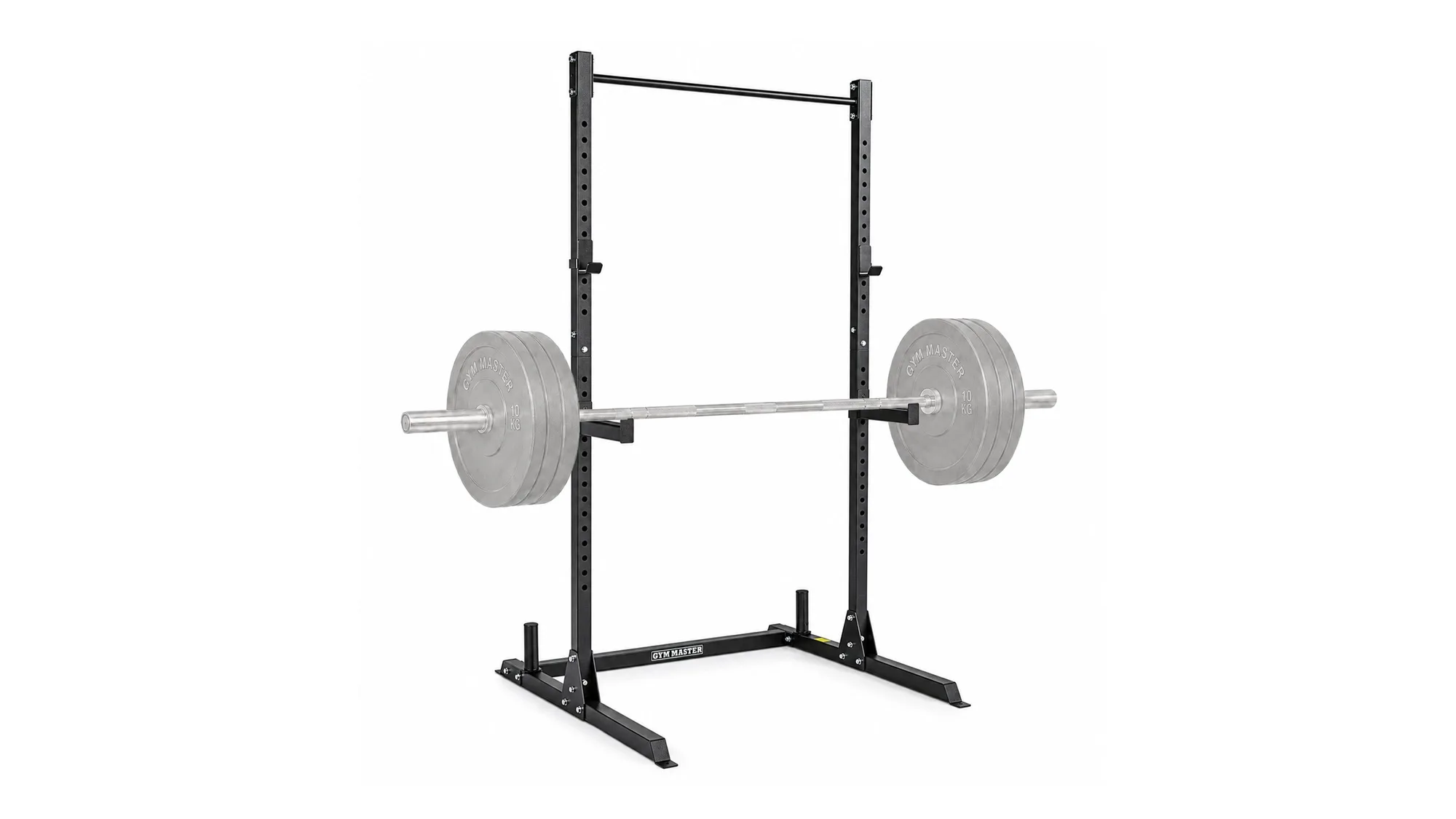
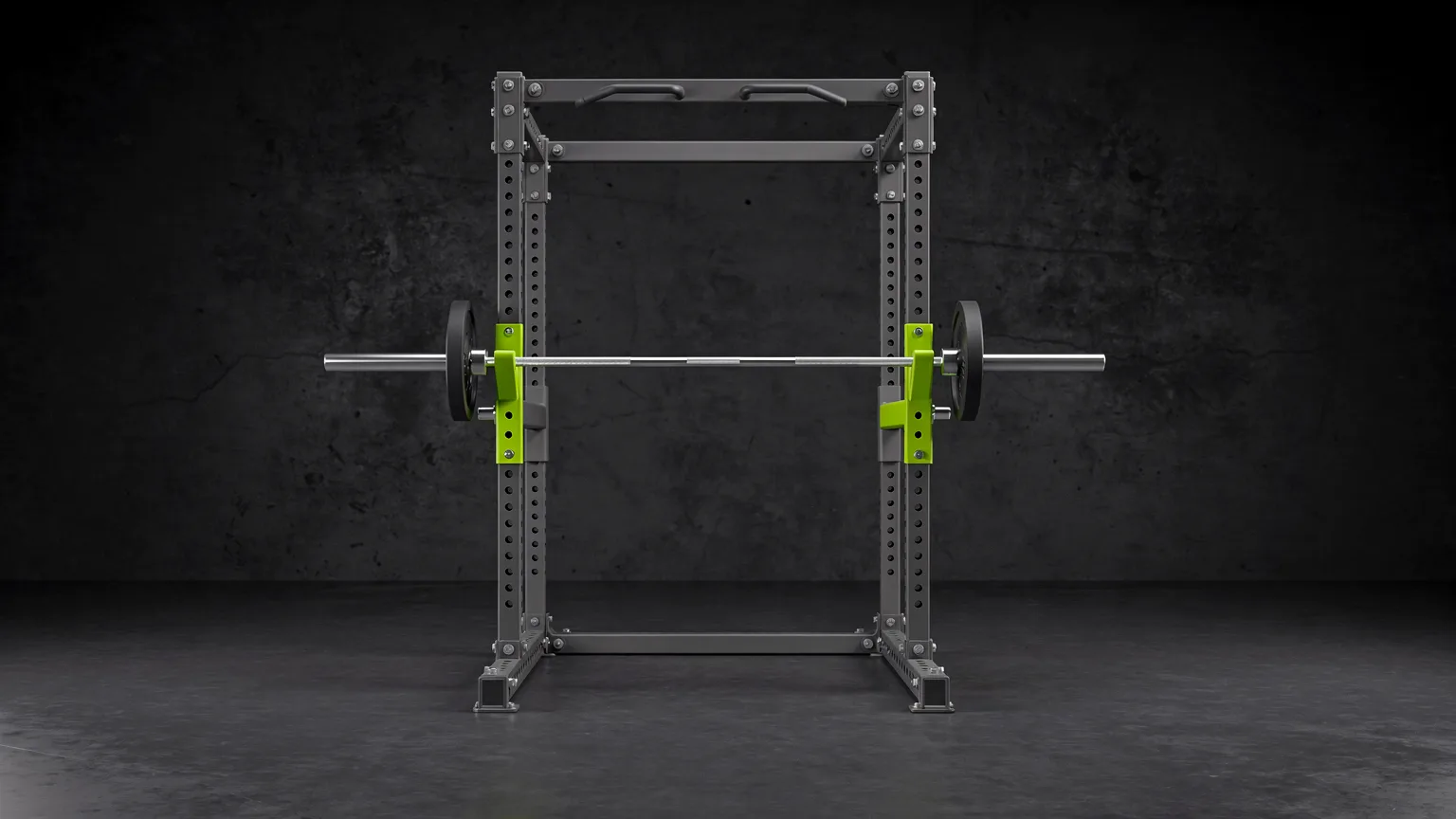
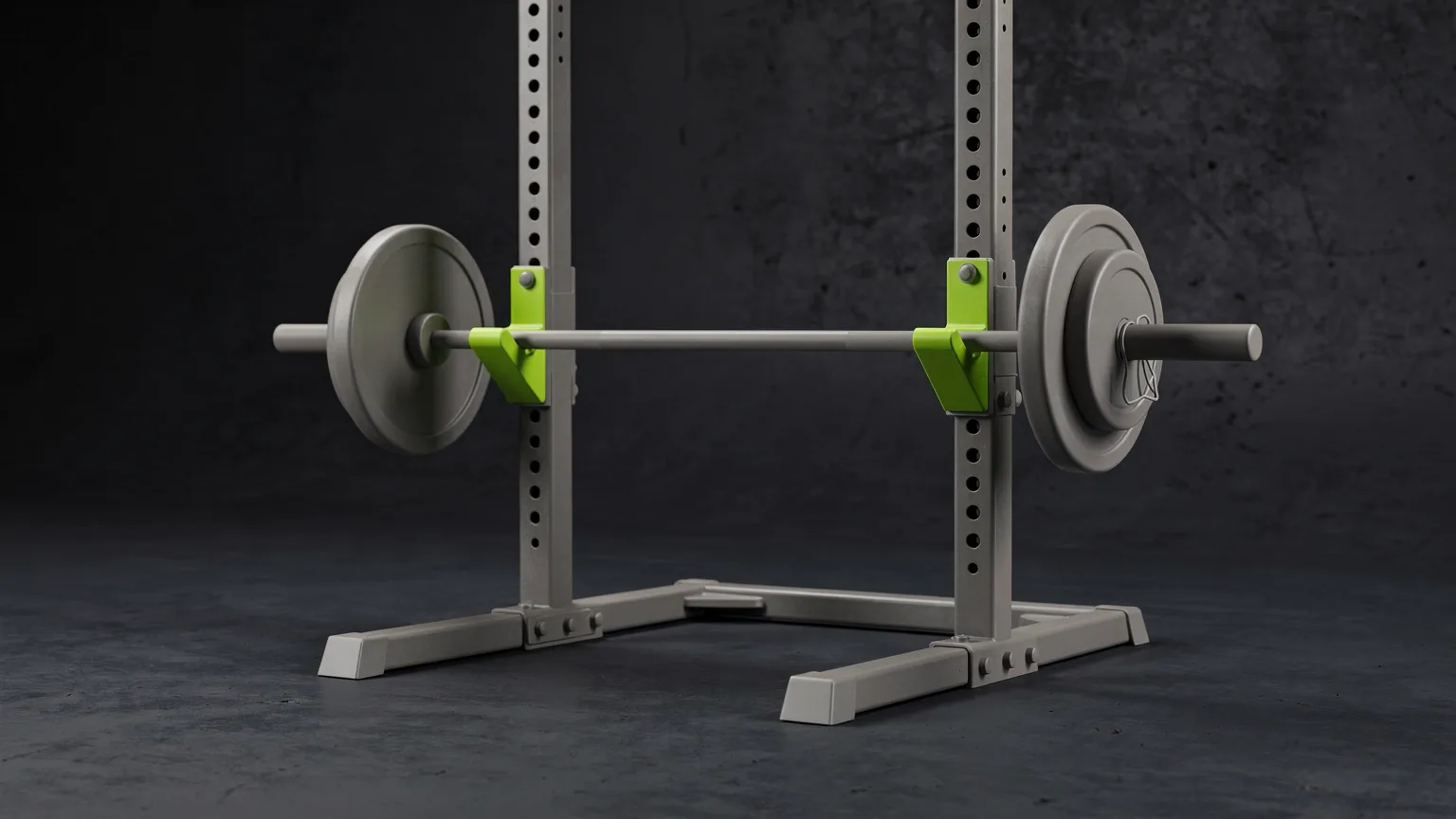
- A rack or cage. Provides supports and safety catches for a loaded bar. See how to choose a power rack and power rack vs half rack.
- A barbell and plates. Check that the bar and plates suit the rack's stated dimensions, and that the rack's stated load covers what you plan to put on it. Gym Master states its cage suits 6ft International or 7ft bars.
- Storage for plates and bars. Loose plates are a trip and handling hazard.
Do I need a power rack to start strength training?
No. The NHS guideline does not require a rack or barbell. A rack becomes relevant if you plan to lift a loaded bar, because it provides supports and safeties at set heights. If one item covers several movements on your list, it is a better early purchase than one that serves a single exercise.
What should I check on a rack's specification?
Check the stated load and what it applies to, the dimensions, fixing instructions, intended use, assembly requirements and warranty, and treat a missing figure as a question for the maker. The table sets two published rack specifications against those checks.
| What to check | Gym Master adjustable squat rack cage | Body-Solid SPR1000 |
|---|---|---|
| Stated load | 200kg for J-cups and spotters; 120kg for the pull-up bar | 1000lbs (about 454kg) per the maker's data sheet |
| Dimensions | 220.5cm high; 121.5cm wide and deep | 2267mm high, 1340mm wide, 2057mm long (one table) |
| Height settings | 28 settings, 45cm to 197.5cm, 5cm apart | 1 inch on spotter bars and front bench-press holes; 3 inch on side holes |
| Fixing | Strongly recommends bolting to the ground; bolts supplied | Must be bolted to the floor if Jammer Arms are fitted |
| Intended use | Not suitable for commercial use | Commercial application |
| Assembly | Required; tools not supplied (two 17mm spanners, one 14mm spanner, 4mm Allen key) | Not published on the product page |
| Warranty | Not published on the page | Frame and welds lifetime; bushings and hardware 3 years; pad, rollers and grips 1 year |
| Indicative price | Around £99.99 (checked Oct 2026) | Around £1,096.99 (checked Oct 2026) |
Body-Solid's product page lists two weights (282 lb and 350 lb), so confirm the shipped weight with the seller. The Gym Master rack review, Body-Solid SPR1000 review and BodyPower Titan half rack review go through each specification.
Should a rack be fixed to the floor?
Follow the maker's manual. Gym Master strongly recommends bolting its squat rack cage to the ground and supplies bolts, and Body-Solid says the SPR1000 must be bolted down when its optional Jammer Arms are used. If you rent, ask the landlord first; the renters guide covers this.
How many days a week should I do muscle-strengthening activity?
The NHS recommends at least 2 days a week, working all the major muscle groups. It separately recommends at least 150 minutes of moderate aerobic activity or 75 minutes of vigorous activity a week, and says strength work does not count towards those aerobic minutes. Plan both, as separate items on your list.
Matching kit to the exercises you plan to do
A useful way to avoid over-buying is to list the movement patterns you want to train and work out what each needs. This is planning logic, not a training programme.
- Legs and hips: bodyweight, dumbbells or kettlebells need no extra furniture; a loaded bar needs a rack or a very confident setup.
- Pushing (chest, shoulders, arms): floor push-ups and bands need nothing; dumbbell presses are easier with a bench.
- Pulling (back, arms): bands, dumbbell rows and a fixed pull-up bar. Check the stated load and the ceiling clearance for any bar.
- Trunk: floor work needs a mat.
Safety checks before you lift
This site cannot give training or medical advice. Follow the maker's manual for setup, fixing and loading. HSE says manual handling means transporting or supporting a load by hand or bodily force, including lifting, putting down, pushing, pulling, carrying or moving loads, and that the law sets no specific weight limits, so plan how you will move heavy items. The home gym safety guide covers training alone, and a qualified coach or physiotherapist can advise on technique and any health conditions.
Check the room before the cart
Write down the usable floor area, the ceiling height at the exact spot where you will stand, the width of every door and stairway the equipment must pass, and the place the kit will rest between sessions. Compare each against the maker's published dimensions. If the maker gives a size for the assembled item but not the packaged parcel, ask the seller about delivery size. In rented homes, check what your tenancy permits, and see the small apartment guide for compact layouts.
What to skip until later
- Smart machines, unless you have a reason to pay for the hardware and software; see is a smart home gym worth it.
- A full rack if you have limited ceiling height or only train with dumbbells.
- Duplicate items. Add equipment only when your current kit stops covering the exercises you do.
For overall budgeting, see the home gym cost guide and budget build guide.